Safer Indoor AWP Expert-
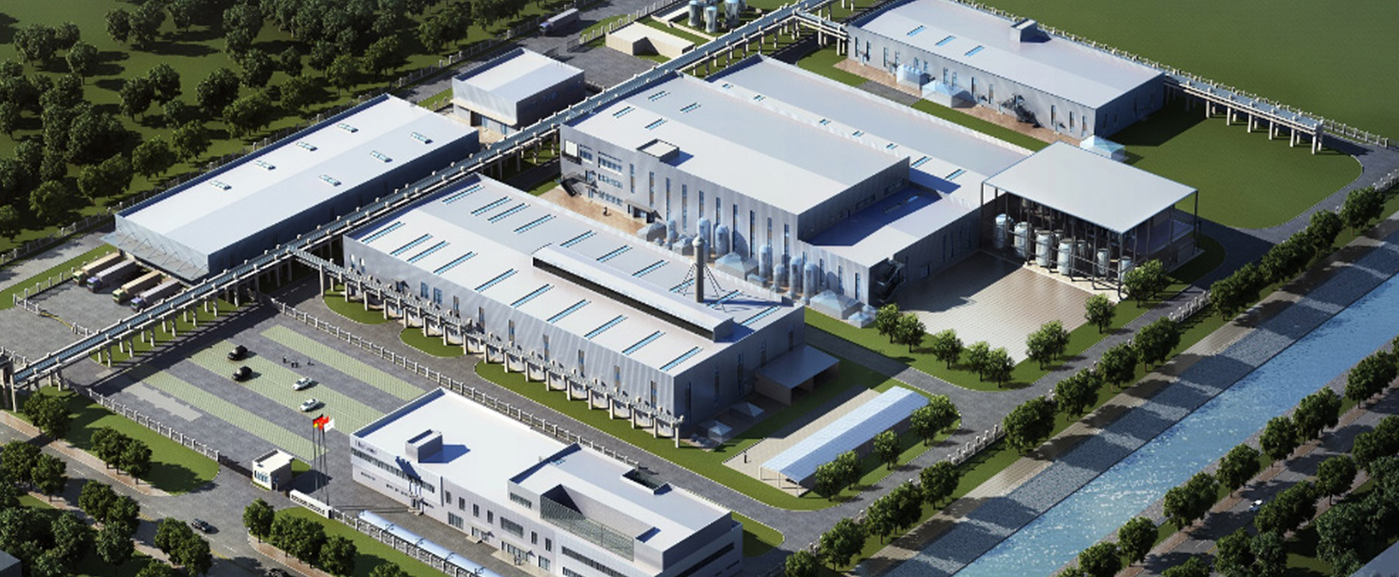
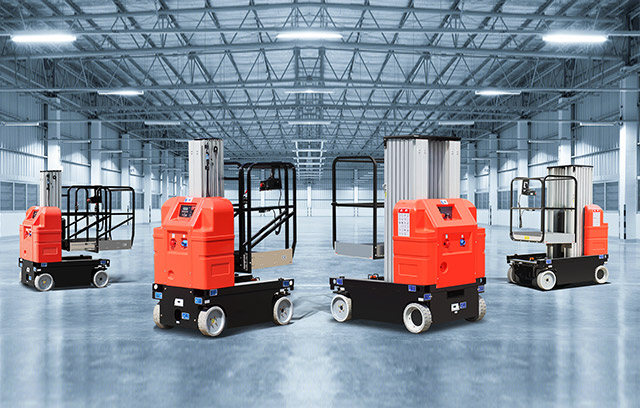
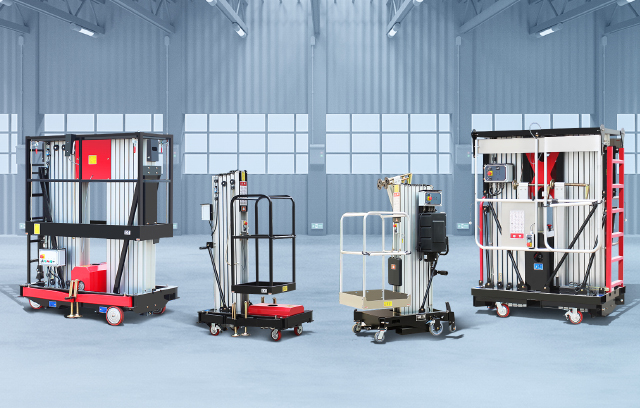
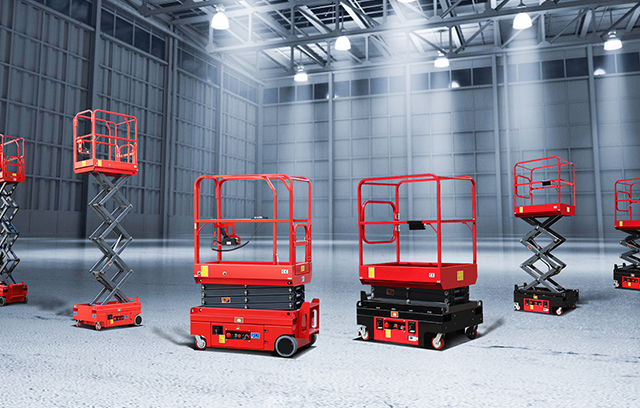
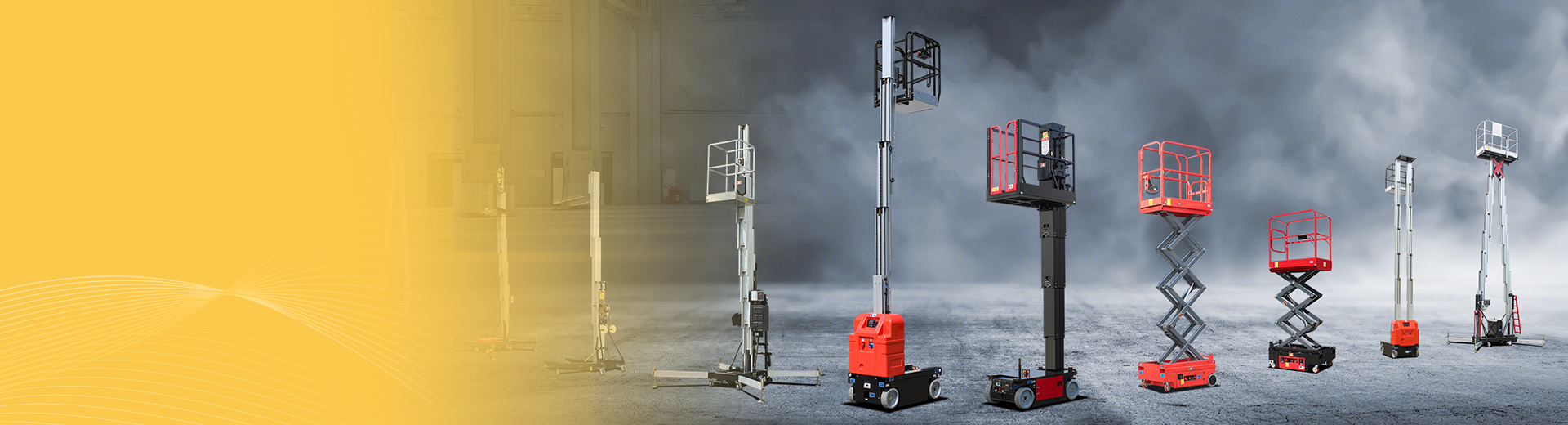
Reeslift Ltd. is a Chinese manufacturer of CE certified aerial working platforms. Our company is located in Feicheng Bianyuan Economic Area, Shandong, China, engaged in Vertical lifts and Scissor Lifts design, production and sales. From the very beginning, we have been dedicated to providing customers with safer indoor aerial working platforms.
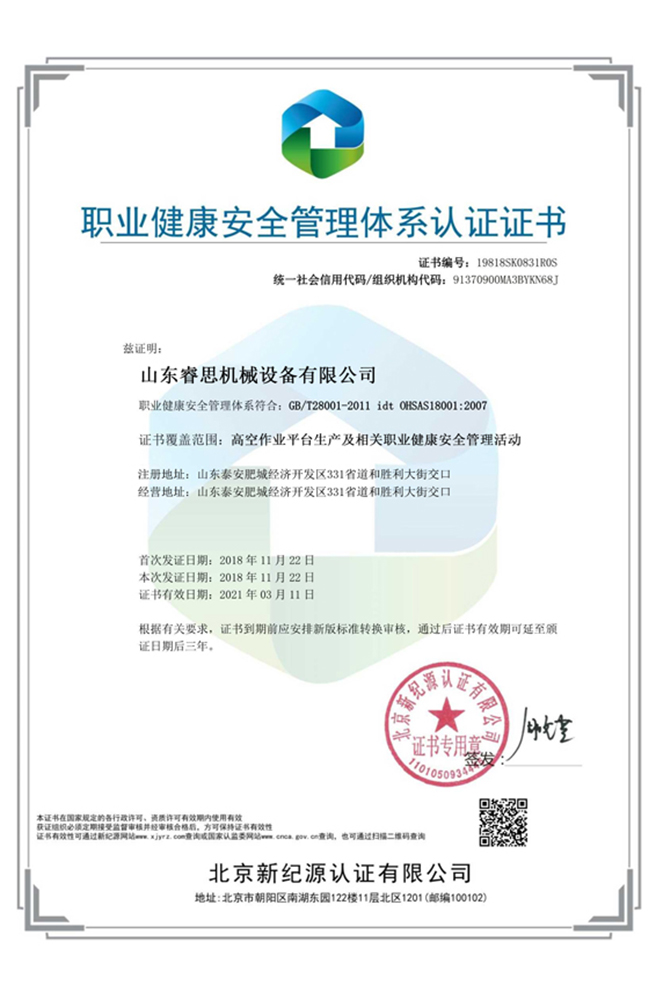
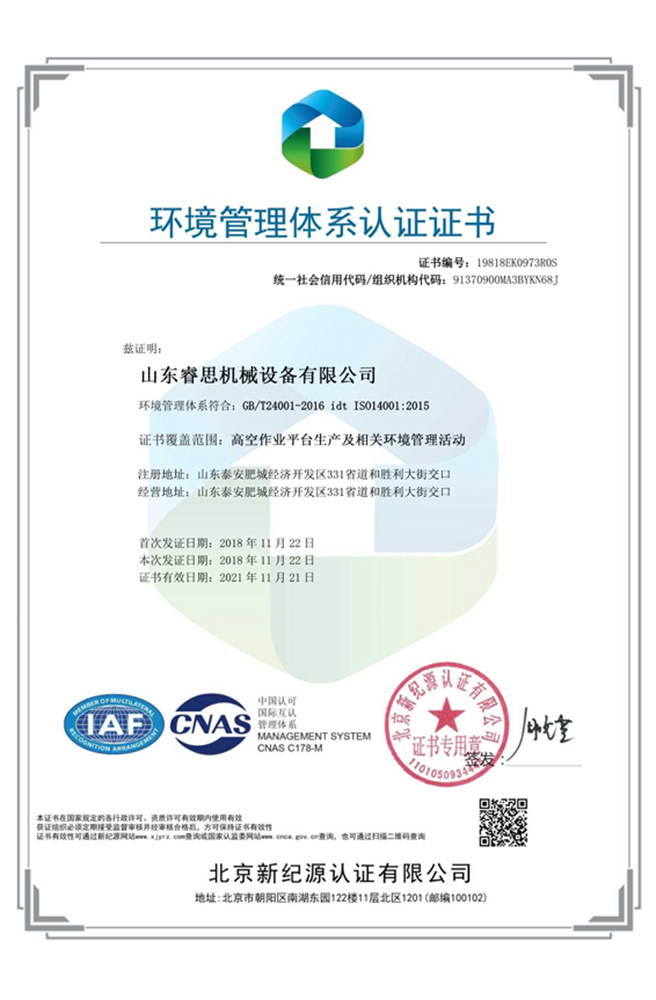
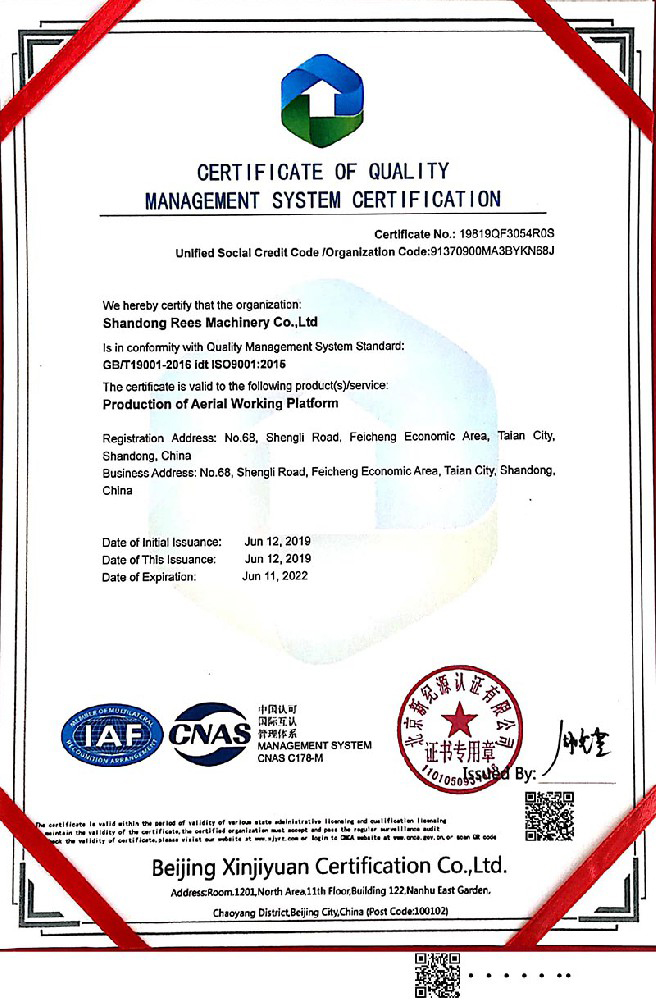
As a professional China Mini Material Lifts manufacturers and Mini Material Lifts factory, relying on years of production experience, REES continuously adopts new technologies, new processes and new materials, implements ISO 9001, ISO 14001 and ISO 18001 standards of international quality management system, international environmental management system, and international health and safety management system, and all its products have passed CE certification in Europe. The technical indicators have reached a high level in the same industry in China, and occupied the market with reasonable prices and good services. They are deeply trusted by the vast number of users. The products are exported to more than 100 countries and regions in Europe, Asia and the United States.
Enterprise establishment
Product Varieties
Product category
Production capacity


The core competitiveness of aerial work equipment has never been solely about working height and ope...
View More1. Industry Background & REES ’ Quality Control Positioning Indoor aerial work platforms and sup...
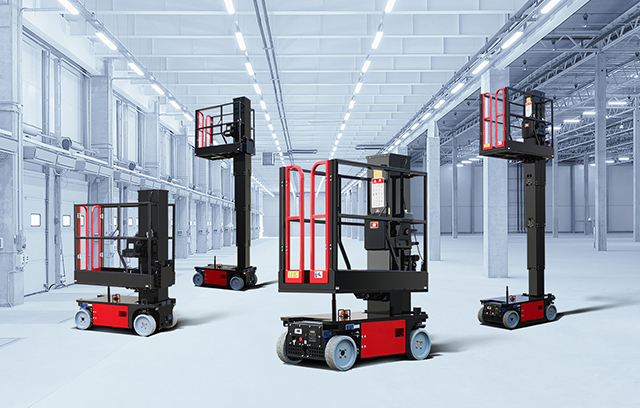
View MoreAnother container of REESLIFT GTWY1 vertical lifts has been loaded and shipped to Singapore. The mac...
View MoreIndustry Technical Guide Material Lifts, Platform Lifts & Hydraulic Material Lift Systems: A C...
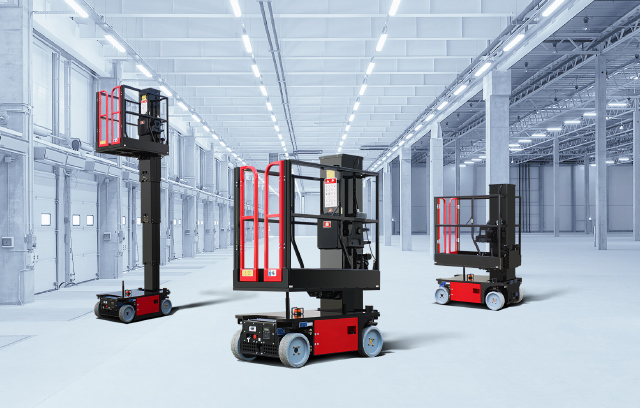
View MoreRecently, REESLIFT officially launched the upgraded GTWY1 Push-around Single Mast Vertical Lift. The...
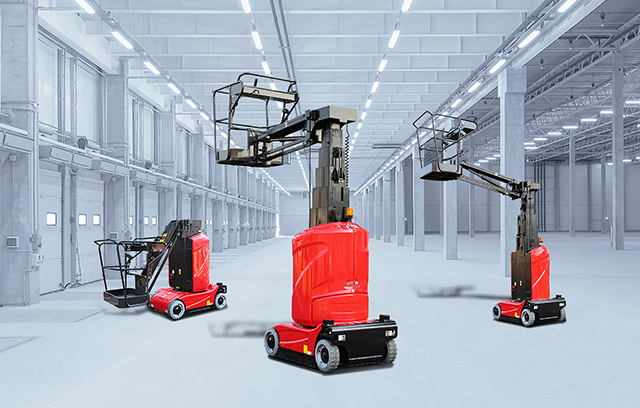
View MoreREESLIFT is assembling the AMWP13-7100 vertical mast boom lifts, built specifically for European cus...
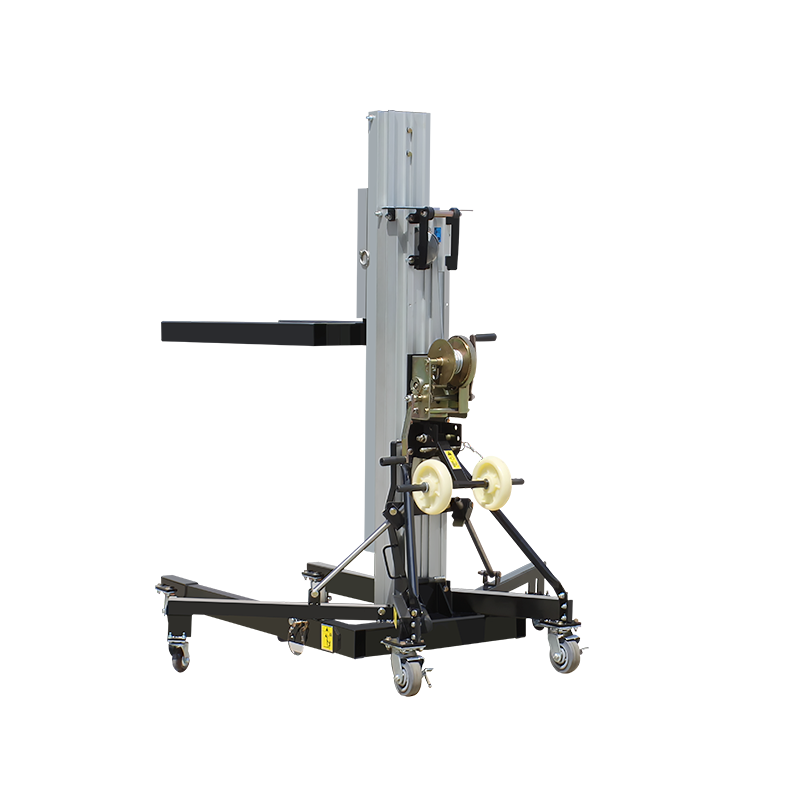
View MoreA Mini Material Lift is a specialized, compact vertical lifting device engineered to facilitate the precise positioning of heavy loads in environments where heavy-duty machinery like forklifts or overhead gantry cranes cannot operate. These units are designed to bridge the gap between manual labor and large-scale industrial equipment, allowing for efficient material transport in narrow aisles, tight storage areas, or confined installation zones.
Unlike a standard forklift, which requires significant operational clearance and wide turning radii, a Mini Material Lift offers a slim profile that allows it to be maneuvered through standard doorways and into cargo elevators. Furthermore, while gantry cranes require fixed, permanent structural installations, these portable lifters provide the flexibility to move vertically throughout a facility as project needs change.
| Feature | Mini Material Lifts | Standard Forklifts | Gantry Cranes |
| Portability | High (Portable/Manual) | Moderate (Vehicle-based) | Low (Fixed/Stationary) |
| Operational Footprint | Minimal (Compact Base) | Large (Turning Radius) | Wide (Structural Span) |
| Primary Use Case | Precision material positioning | Bulk transport/Loading | Heavy overhead assembly |
| Setup Time | Immediate | N/A | High (Installation required) |
| Safety Certification | CE/ISO Compliance | Varies by Region | Requires Structural Audit |
For businesses requiring consistent, reliable vertical mobility, the Mini Material Lifts provided by REES Industries serve as an essential addition to the modern facility, allowing for safer indoor operations without the overhead of heavy machinery maintenance.
The integration of high-quality Mini Material Lifts into industrial and warehouse workflows offers distinct operational advantages that directly impact productivity and facility safety. For businesses focused on optimizing logistics, these compact units provide a specialized solution for lifting challenges that traditional methods fail to address efficiently.
High Portability and Space-Saving Design
The primary advantage of these lifters is their ability to operate in confined spaces. Because they are engineered with a slim, vertical chassis, they occupy minimal floor space when in use and can be easily folded or collapsed for storage. This portability ensures that Mini Material Lifts can be transported across different zones of a production floor or loaded into service vehicles, providing on-demand lifting power exactly where the task requires it.
Enhanced Workplace Safety and Ergonomics
Manual lifting of heavy components is a leading cause of workplace injury and fatigue. By utilizing these specialized lifts, operators can position materials at an ergonomic height, significantly reducing the physical strain associated with repetitive heavy lifting. REES Industries places a high priority on this aspect of safety; by adhering to the ISO 18001 health and safety management system, the engineering team at REES Industries ensures that the center of gravity and braking systems on our lifting products provide maximum stability, effectively minimizing the risk of tipping or uncontrolled descent during operation.
Cost-Effective Lifting for Specialized Facilities
For small businesses or specific production lines that do not require the massive weight capacity of heavy-duty forklifts, Mini Material Lifts provide a high return on investment. They eliminate the need for expensive structural modifications or the maintenance costs associated with larger, engine-powered equipment.
| Performance Metric | Traditional Manual Handling | Using Mini Material Lifts |
| Ergonomic Risk | High (High strain) | Low (Mechanical assistance) |
| Load Stability | Low (Human dependent) | High (Integrated locking) |
| Operational Efficiency | Low (Slow/Restricted) | High (Consistent/Fast) |
| Floor Space Required | Minimal | Minimal (Compact footprints) |
| Compliance/Safety Standard | Non-standardized | CE/ISO Certified Standards |
To meet the diverse requirements of industrial manufacturing and material handling, Mini Material Lifts are categorized by their power source and mechanical design. Understanding these distinctions is critical for selecting the equipment that aligns with your specific operational needs and safety standards. REES Industries utilizes advanced design methodologies to ensure that regardless of the mechanism, each lift maintains the high structural integrity associated with our CE-certified product range.
Hand Winch/Crank Lifts
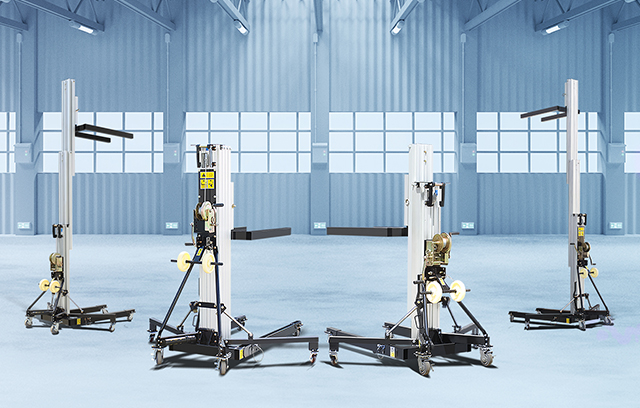
These are the most portable and versatile options for light-to-medium duty tasks. They utilize a manual winch system to provide precise, incremental height adjustments. Because they do not require electricity or hydraulic fluids, they are ideal for environments where power access is limited or where total independence from external energy sources is preferred.
Hydraulic Platform Lifts
Designed for stability and handling larger or bulkier loads, these lifts rely on hydraulic cylinders to generate the necessary force. They offer a smooth, controlled ascent and descent, making them the preferred choice for heavy-duty components that require absolute steady positioning. REES Industries integrates precision-engineered hydraulic components into our designs to ensure consistent performance and compliance with our strict ISO 9001 quality management protocols.
Electric Mini Material Lifts
For high-frequency operations, electric models significantly increase productivity by automating the lifting process. These units are designed for rapid, repetitive vertical transport, reducing operator fatigue to an absolute minimum. As a manufacturer dedicated to new technologies and processes, REES Industries ensures these electric units feature advanced safety interlocks and overload protection to maintain the highest levels of workplace health and safety.
| Feature | Hand Winch Lifts | Hydraulic Platform Lifts | Electric Mini Lifts |
| Power Source | Manual (Crank) | Hydraulic (Fluid Pressure) | Electric (Motorized) |
| Operational Speed | Operator-dependent | Steady/Controlled | High/Efficient |
| Load Stability | Moderate | Very High | High |
| Maintenance Needs | Low (Minimal moving parts) | Moderate (Fluid/Seals) | Moderate (Battery/Electronics) |
| Ideal Environment | Low-frequency/Remote | Heavy component assembly | High-frequency logistics |
Selecting the right equipment requires balancing load capacity, height requirements, and structural reliability. While many options exist, the most effective Mini Material Lifts are those that prioritize operator safety and build quality through certified manufacturing processes. At REES Industries, we focus on engineering equipment that meets the high-level technical demands of the global sector, ensuring that our units provide the versatility necessary for modern industrial applications.
When evaluating professional-grade lifting solutions, industry professionals often categorize them by their primary application—ranging from high-precision manual units to robust, high-stability hydraulic platforms. REES Industries manufactures a range of vertical lift solutions designed to adhere to ISO 9001 and ISO 18001 standards, ensuring that every unit serves as a reliable asset in your warehouse or production facility.
| Category | Typical Load Capacity (kg) | Max Lift Height (m) | Primary Application |
| Manual Winch Series | 100 – 250 kg | 2.5 – 3.5 m | Light installation/Maintenance |
| Hydraulic Platform Series | 300 – 500 kg | 1.5 – 3.0 m | Heavy parts/Ergonomic feeding |
| Electric Vertical Series | 200 – 400 kg | 3.0 – 5.0 m | High-frequency warehouse tasks |
Procuring the correct Mini Material Lifts is a critical task for procurement professionals. Beyond simply matching a load to a machine, the selection process must account for the specific environmental and technical constraints of your facility. REES Industries recommends focusing on the following technical indicators to ensure that your investment aligns with both operational requirements and international safety standards.
Load Capacity and Lift Height
The most fundamental requirement is defining the maximum weight and reach needed for your typical workflow. It is essential to select a lift that operates comfortably within its rated capacity, rather than pushing the limits of the machinery.
Fork vs. Platform Attachments
The choice between fork and platform attachments determines the versatility of the unit. Forks are typically superior for palletized goods or industrial crates, while solid platforms offer a stable surface for irregular components or parts that require flat-surface support.
Portability, Folding Mechanism, and Weight
A truly effective Mini Material Lift must be as mobile as the task requires. Consider the unit's deadweight versus its load capacity, as well as the ease of its folding mechanism. At REES Industries, we engineer our vertical lifts with advanced, lightweight materials that do not compromise structural integrity, ensuring that operators can easily maneuver the equipment through standard industrial access points.
Wheel Types and Safety Brakes
The quality of the casters and the reliability of the braking system are non-negotiable for safety. Wheels must be selected based on floor surfaces (e.g., polished concrete vs. industrial grating) to ensure rolling resistance is minimized while maintaining full control during operation.
| Evaluation Criterion | Technical Consideration | Why it Matters |
| Safety Certification | CE Compliance / ISO Standards | Ensures adherence to legal and safety requirements. |
| Max Capacity | Rated load at center | Prevents mechanical failure and tipping. |
| Chassis Width | Narrow vs. Standard | Determines access to aisles and elevators. |
| Braking System | Dual-lock or Foot-brake | Ensures stability during material loading. |
| Construction Material | High-strength steel/Alloy | Determines longevity and equipment weight. |
Operating Mini Material Lifts requires strict adherence to safety protocols to prevent accidents and ensure the longevity of the equipment. As an AWP (Aerial Working Platform) Expert, REES Industries emphasizes that safety is the cornerstone of efficient industrial operations. Every unit exported by our company is manufactured in compliance with European CE certification and international ISO standards, but the human element remains vital to total safety.
Weight Distribution Rules
Improper weight distribution is the primary cause of instability in vertical lifting equipment. Operators must ensure that the center of gravity of the load remains within the designated load center of the Mini Material Lift. For irregular loads, balance is paramount; exceeding the rated load capacity on one side of the forks or platform can lead to mechanical stress or overturning.
Inspection Checklists Before Use
Daily inspections are mandatory to maintain the integrity of the lift. Before each operation, the user should verify the following: Winch/Hydraulic System: Ensure there are no fluid leaks or signs of cable fraying. Structure: Check for any structural deformation or loose bolts. Brakes: Test the locking mechanism on the wheels to ensure the unit remains stationary under load. Capacity Plates: Verify that all safety labels and load rating plates are legible and accurate.
Proper Storage and Maintenance
When not in use, the Mini Material Lift should be stored in a dry, covered area to prevent environmental corrosion. REES Industries designs its equipment with new materials that offer superior resistance to environmental factors, yet proper storage is necessary to extend the product lifecycle. Routine maintenance, including the lubrication of moving parts and regular inspection of hydraulic seals, ensures that your REES Industries equipment continues to meet the high-level technical indicators that our users expect.
| Maintenance Task | Frequency (Light Usage) | Frequency (Heavy Usage) | Criticality Level |
| Visual Structural Check | Weekly | Before Every Shift | High |
| Winch/Cable Inspection | Monthly | Weekly | Critical |
| Hydraulic Fluid Check | Quarterly | Monthly | High |
| Wheel/Caster Lubrication | Quarterly | Monthly | Moderate |
| Full Safety Audit | Annually | Biannually | Critical |
To ensure that procurement professionals and facility managers have the technical clarity needed for daily operations, REES Industries has compiled these responses based on our extensive experience in the production and global export of aerial working platforms and vertical lift solutions.
What are the primary maintenance intervals for manual winch systems on Mini Material Lifts?
Manual winch systems require a "clean, inspect, and lubricate" cycle. For heavy usage, a monthly inspection of the cable for fraying and a lubrication of the gear assembly is required. REES Industries recommends a full safety audit every six months to ensure the winch’s anti-rollback mechanism remains fully operational.
Can these lifts be operated safely on non-level concrete surfaces?
No. Mini Material Lifts are engineered for operation on flat, level surfaces. Operating on inclines significantly shifts the center of gravity and increases the risk of tipping.
How do you determine the correct load center for a Mini Material Lift?
The load center is typically defined as the distance from the front face of the forks to the center of the load. Exceeding the manufacturer’s specified load center will derate the capacity of the lift.
Are there specific certification requirements for operators using these devices?
While certification varies by region, REES Industries strongly advises that all operators receive training on the specific unit’s load capacity, safety braking, and emergency descent protocols in accordance with local health and safety regulations.
How does the folding mechanism affect the structural integrity of the lift over time?
When designed correctly, folding mechanisms utilize heavy-duty locking pins and reinforced pivot points. REES Industries utilizes high-strength steel and rigorous stress-testing to ensure that the folding mechanism maintains structural rigidity throughout its operational lifespan.
What is the standard weight capacity range for professional-grade Mini Material Lifts?
Professional models typically range from 100 kg to 500 kg. Exceeding these ranges requires specialized heavy-duty equipment rather than compact material lifts.
Is it possible to customize fork widths for non-standard industrial pallets?
Yes. Many professional-grade lifts feature adjustable fork widths to accommodate varied pallet sizes.
What safety features prevent uncontrolled descent in the event of a winch failure?
High-quality lifts are equipped with automatic load brakes or redundant pawl systems that engage immediately if tension is lost, preventing the load from falling.
How does the choice of caster material impact floor protection and rolling resistance?
Polyurethane casters are generally preferred as they provide a balance between low rolling resistance and floor protection. Harder materials may cause damage to epoxy-coated factory floors.
In what scenarios should an electric lift be prioritized over a manual hydraulic model?
Electric models should be prioritized in high-throughput environments where the lift is in constant use throughout an 8-hour shift. This minimizes physical operator fatigue and maintains a consistent work pace.
| Performance Variable | Specification Target |
| Operational Duty Cycle | 100% (Manual) to High-Frequency (Electric) |
| Standard Safety Compliance | CE Certified / ISO 9001/14001/18001 |
| Environmental Suitability | Indoor Flat-Floor Industrial |
| Global Export Standards | Compliant (100+ Countries) |
At REES Industries, we remain committed to providing our clients with the technical documentation and high-performance equipment necessary to streamline industrial operations. By maintaining rigorous ISO management systems at our Feicheng Bianyuan facility, we ensure that every piece of equipment—from our vertical lifts to our scissor lifts—delivers the safety and reliability that global industrial procurement professionals demand.