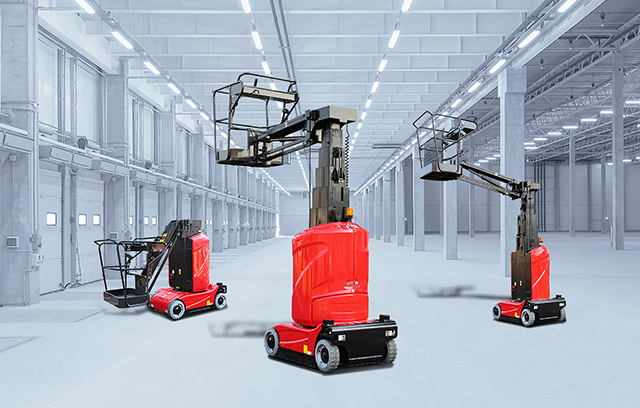
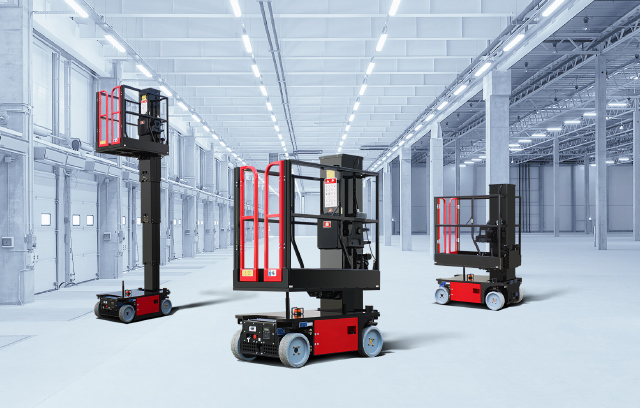
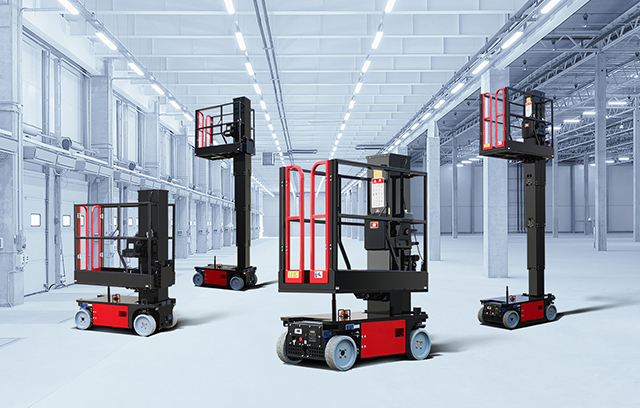
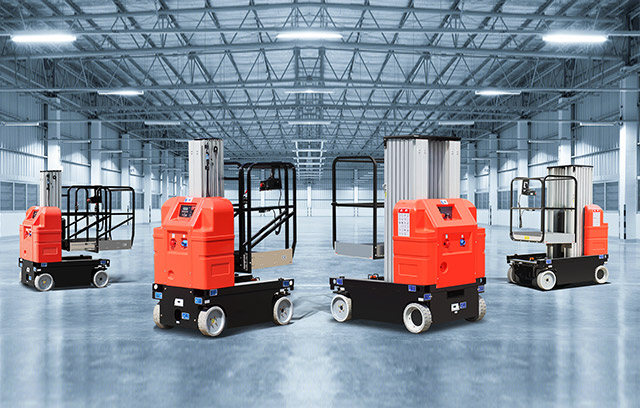
Safer Indoor AWP Expert-
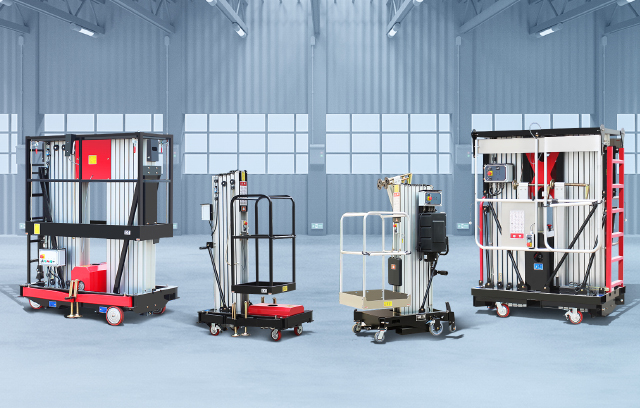
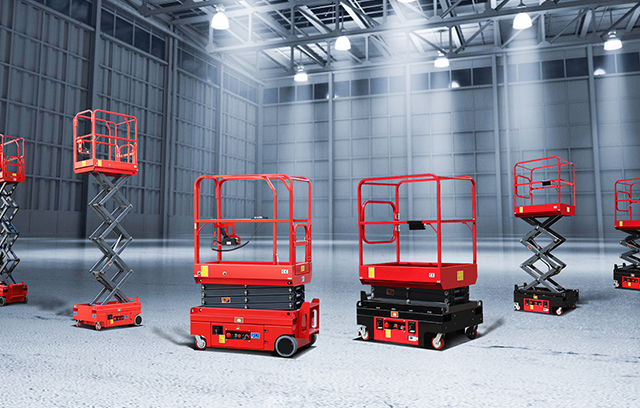
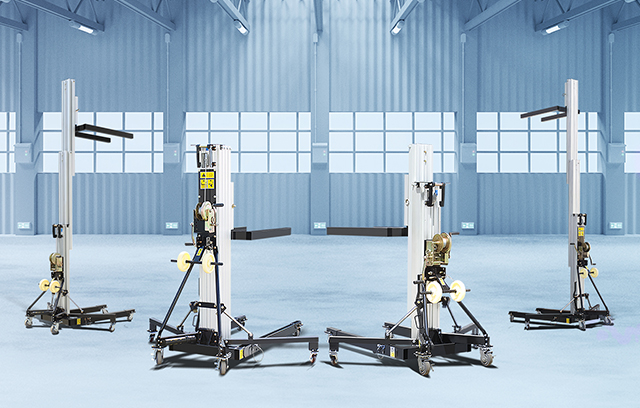
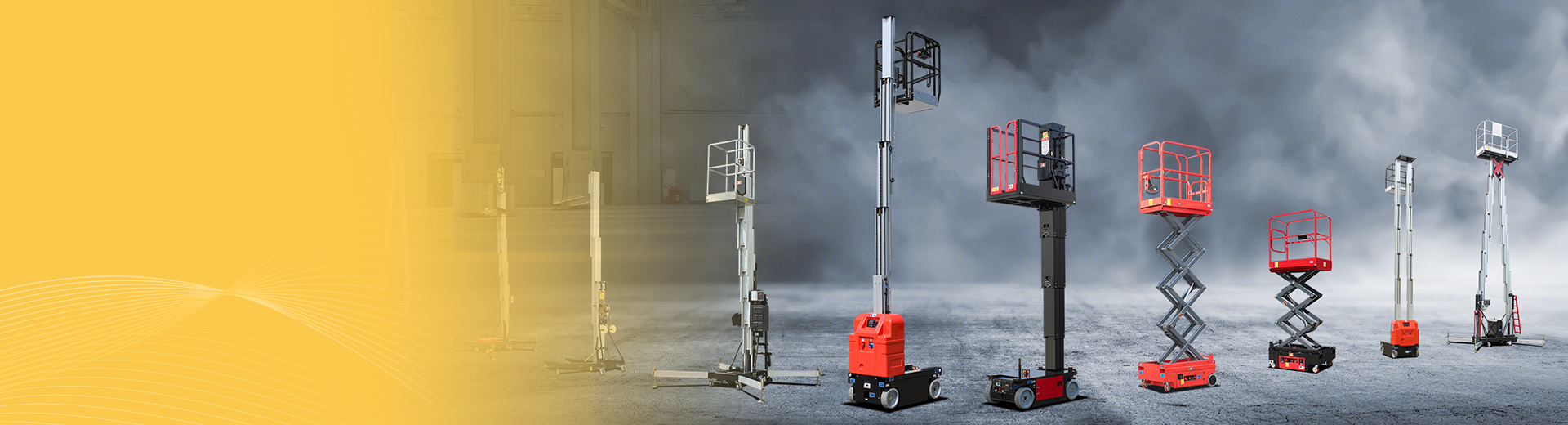
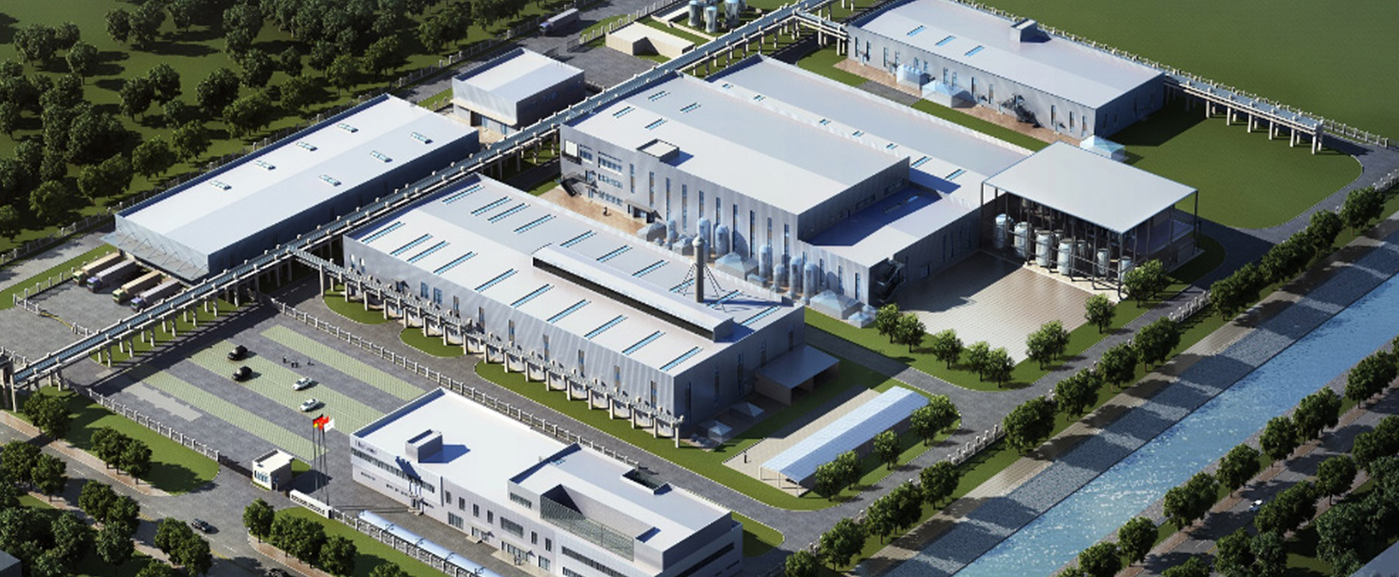
Reeslift Ltd. is a Chinese manufacturer of CE certified aerial working platforms. Our company is located in Feicheng Bianyuan Economic Area, Shandong, China, engaged in Vertical lifts and Scissor Lifts design, production and sales. From the very beginning, we have been dedicated to providing customers with safer indoor aerial working platforms.
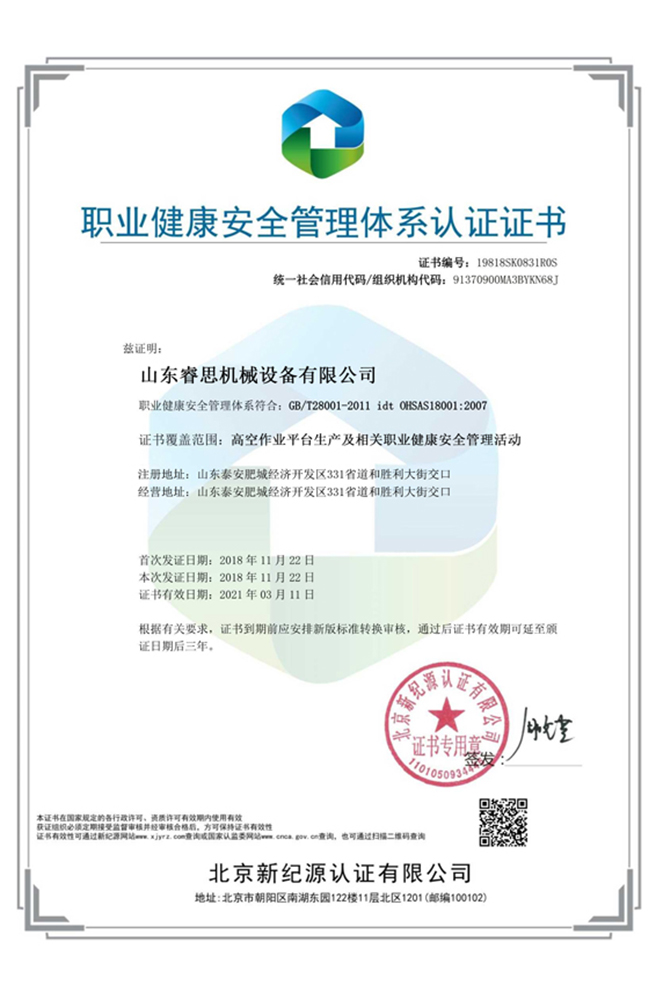
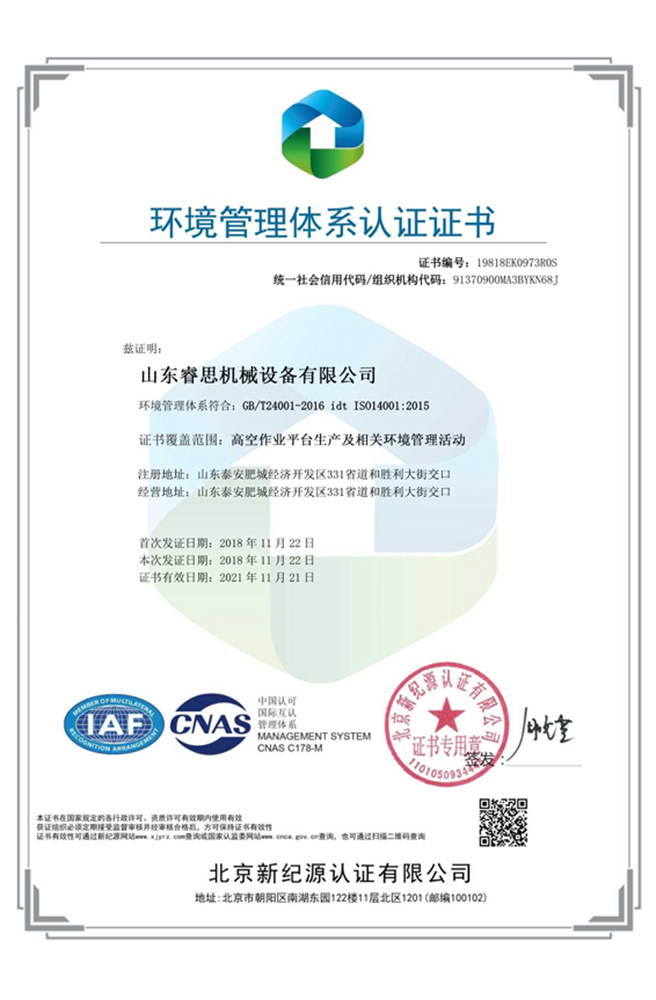
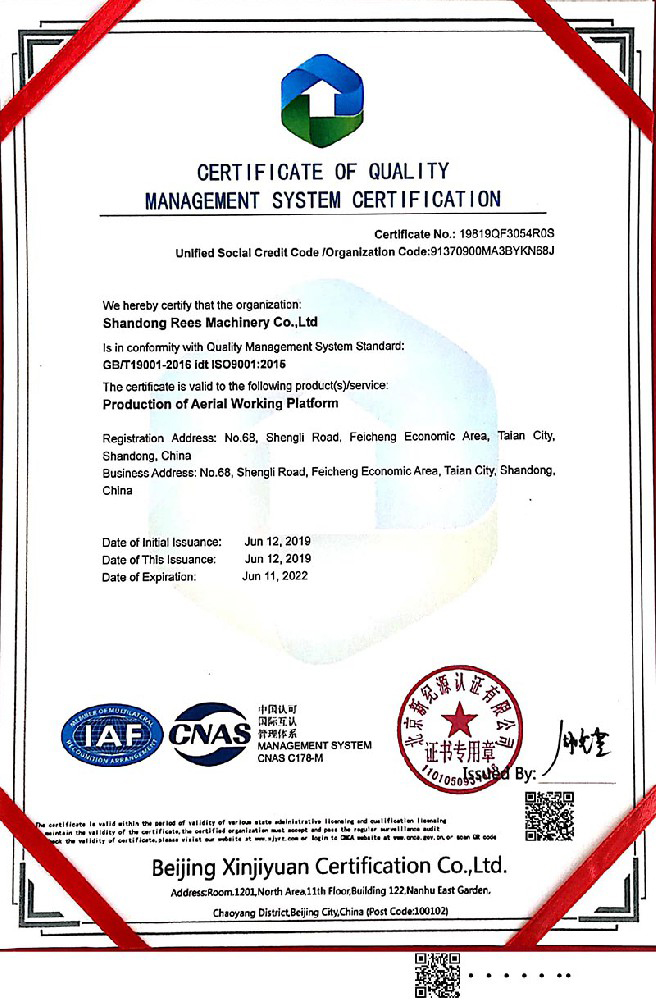
As a professional China vertical mast lifts manufacturers and vertical mast lifts factory, relying on years of production experience, REES continuously adopts new technologies, new processes and new materials, implements ISO 9001, ISO 14001 and ISO 18001 standards of international quality management system, international environmental management system, and international health and safety management system, and all its products have passed CE certification in Europe. The technical indicators have reached a high level in the same industry in China, and occupied the market with reasonable prices and good services. They are deeply trusted by the vast number of users. The products are exported to more than 100 countries and regions in Europe, Asia and the United States.
Enterprise establishment
Product Varieties
Product category
Production capacity


Basic Working Principle of Push Around Vertical Lifts Push Around Vertical Lifts represent portable ...
View MoreOn construction, maintenance, and warehouse job sites, engine failure, battery drain, or Sudden unre...
View MoreWe are pleased to announce that our second container has officially been dispatched and is now on...
View MoreVertical mast lifts, a highly efficient and safe lifting equipment, provide stable lifting support i...
View MoreIn aerial work platforms, hydraulic oil is far more than a medium for power transmission—it is the l...
View MoreWhat Is a Forklift Aerial Platform and Why Does It Matter? In busy warehouses, construction sites, a...
View MoreWhen working at height in confined or indoor environments, having the right equipment makes all the difference. Vertical Mast Lifts are one of the most practical and widely used aerial work platforms (AWPs) in modern industry — and for good reason. From warehouse maintenance to retail fit-outs, Vertical Mast Lifts offer a compact, efficient, and safe solution for elevating workers and their tools to the heights they need.
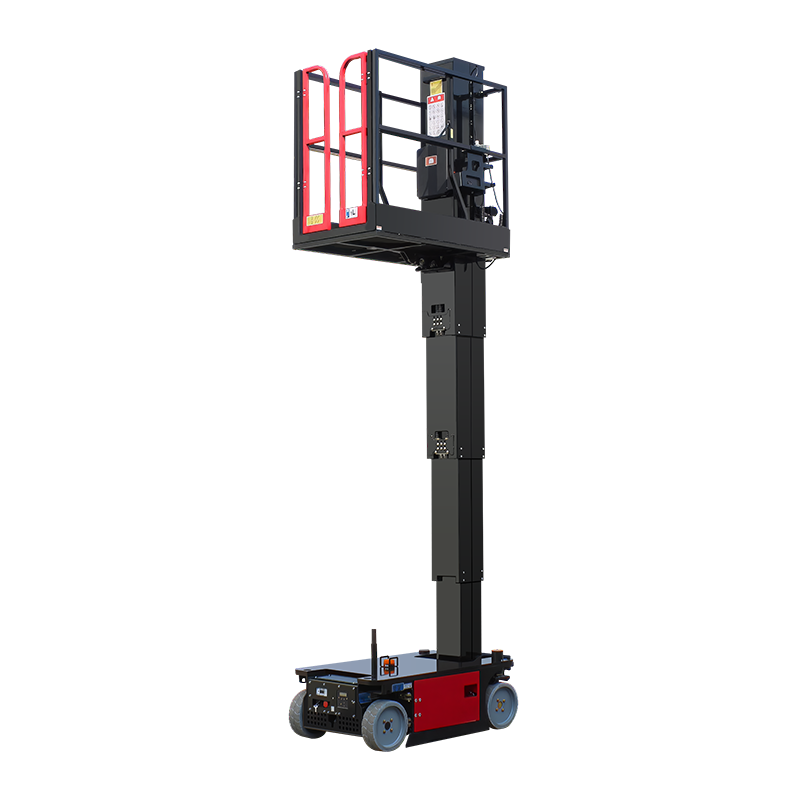
A Vertical Mast Lift is a type of aerial work platform designed to lift one or two operators vertically to elevated work areas. Unlike boom lifts or scissor lifts, Vertical Mast Lifts operate on a purely vertical axis — meaning the platform rises straight up without horizontal outreach. This makes them exceptionally well-suited for indoor environments where space is limited and precision matters.
Vertical Mast Lifts are powered primarily by electric motors, making them clean, quiet, and safe for enclosed spaces. They are mounted on a compact base that can navigate narrow aisles, doorways, and tight corridors — spaces that larger aerial platforms simply cannot access.
At Reeslift Ltd. (REES Industries), a CE-certified Chinese manufacturer of aerial working platforms based in Feicheng Bianyuan Economic Area, Shandong, China, Vertical Mast Lifts are one of the core product lines. With years of dedicated production experience and exports to more than 100 countries across Europe, Asia, and the Americas, REES has built its reputation on delivering safer indoor Vertical Mast Lifts that meet rigorous international standards — including ISO 9001, ISO 14001, and ISO 18001 — with full CE certification across the product range.
It is important to understand where Vertical Mast Lifts sit within the broader family of aerial work platforms. The table below highlights the key differences:
| Feature | Vertical Mast Lifts | Scissor Lifts | Boom Lifts |
|---|---|---|---|
| Movement Direction | Vertical only | Vertical only | Vertical + Horizontal |
| Outreach | None | None | Significant horizontal reach |
| Platform Size | Small (1 person) | Medium to Large | Small to Medium |
| Machine Width | Very narrow (0.7–0.9m) | Wider (1.1m+) | Widest |
| Indoor Use | Excellent | Good | Limited |
| Aisle Navigation | Excellent | Moderate | Poor |
| Operating Height | 6m – 12m | 6m – 18m | 12m – 40m+ |
| Power Source | Electric/Battery | Electric/Diesel | Electric/Diesel |
| Complexity | Low | Medium | High |
Every Vertical Mast Lift — including those manufactured by REES Industries — is built around four fundamental components:
1. The Mast
The mast is the vertical column structure that extends upward when the lift is in operation. It consists of interlocking mast sections that telescope or stack to achieve the desired working height. The mast is engineered for stability, with guide rollers and structural steel or aluminum alloy construction ensuring smooth, controlled elevation.
2. The Work Platform
Positioned at the top of the mast, the work platform is the enclosed space where the operator stands. Most Vertical Mast Lifts feature a compact rectangular platform equipped with guardrails, toe boards, and control panels. The platform on a standard Vertical Mast Lift is designed to carry one person plus tools, with load capacities typically ranging from 150 kg to 230 kg.
3. The Base and Drive System
The base of the Vertical Mast Lift houses the power unit, battery system, and drive motors. Depending on the model, the base may be non-powered (push-around), manually moved by the operator on the ground, or self-propelled, driven electrically from the platform or ground controls. The base is engineered to be narrow enough for aisle use while maintaining a wide enough wheelbase for stability at height.
4. The Control System
Modern Vertical Mast Lifts are equipped with dual control panels — one at the platform level and one at ground level — allowing operators to control lifting, lowering, and driving functions safely. REES Vertical Mast Lifts integrate advanced electronic control systems with built-in safety interlocks, ensuring that the machine only operates within its rated safe parameters.
Understanding the mechanics behind Vertical Mast Lifts is essential for anyone considering purchasing, renting, or operating one. Whether you are a facility manager, warehouse supervisor, or procurement specialist, knowing how Vertical Mast Lifts function — from power input to safe elevation — helps ensure the right equipment is selected and used correctly every time.
Step 1 — Pre-Operation Inspection
Before activating any Vertical Mast Lift, the operator performs a visual and functional check of the machine. This includes inspecting the mast sections, platform guardrails, wheels, battery charge level, and all control functions. At Reeslift Ltd. (REES Industries), every Vertical Mast Lift is shipped with a comprehensive operator manual that includes a detailed pre-use checklist aligned with CE certification requirements.
Step 2 — Positioning the Machine
The operator maneuvers the Vertical Mast Lift into position beneath the work area. For self-propelled models, this is done using the ground-level drive controls. For push-around models, the operator manually guides the machine into place. The compact base width of REES Vertical Mast Lifts — as narrow as 0.76m on select models — allows positioning in aisles and spaces where other aerial platforms cannot reach.
Step 3 — Entering the Platform
The operator enters the work platform through a self-closing swing gate or slide-in bar entry point. Once inside, the gate latches securely, preventing accidental opening during elevation. The platform is equipped with full-height guardrails on all sides.
Step 4 — Elevating to Working Height
Using the platform-mounted control panel, the operator activates the lift function. The electric motor drives the mast mechanism upward in a smooth, controlled motion. Vertical Mast Lifts manufactured by REES use precision hydraulic or electromechanical drive systems that ensure stable, jerk-free elevation from ground level to maximum working height.
Step 5 — Performing Work at Height
Once at the desired height, the operator works from the secured platform. The Vertical Mast Lift remains stationary during this phase. On self-propelled models, limited ground travel may be possible at elevated heights depending on the model's rated specifications.
Step 6 — Lowering and Moving
After completing the task, the operator lowers the platform back to ground level using the descent control. The Vertical Mast Lift can then be repositioned for the next task. Lowering is gravity-assisted on many models, with the descent speed controlled electronically to ensure a smooth and safe return.
| Feature | AC Electric (Plug-in) | DC Battery (Rechargeable) |
|---|---|---|
| Power Source | Mains electricity via cable | Onboard rechargeable battery pack |
| Indoor Suitability | Excellent | Excellent |
| Zero Emissions | Yes | Yes |
| Noise Level | Very Low | Very Low |
| Mobility | Limited by cable length | Fully mobile, no cable required |
| Run Time | Unlimited (while plugged in) | Typically 6–8 hours per charge |
| Recharge Time | N/A | 6–8 hours (standard charger) |
| Best For | Fixed location work | Multi-location or roaming tasks |
| Maintenance | Lower | Battery maintenance required |
| Feature | Hydraulic Lifting System | Electromechanical System |
|---|---|---|
| Drive Method | Hydraulic cylinder + pump | Electric motor + rack & pinion or chain |
| Lifting Speed | Moderate | Fast to moderate |
| Smoothness | Very smooth | Smooth |
| Maintenance | Hydraulic fluid checks required | Minimal lubrication |
| Load Handling | Excellent | Excellent |
| Energy Efficiency | Good | Very good |
| Common Use | Standard Vertical Mast Lifts | High-cycle applications |
① Tilt Sensor / Inclinometer
All REES Vertical Mast Lifts are equipped with an electronic tilt sensor that continuously monitors the ground angle beneath the machine. If the Vertical Mast Lift is positioned on a surface that exceeds the safe incline limit — typically ±1.5° to ±3° depending on model — the sensor triggers an automatic lockout, preventing the platform from being raised until the machine is repositioned on level ground.
② Overload Protection System
Each platform is fitted with a load-sensing system that monitors the weight placed on the platform in real time. If the combined weight of the operator and equipment exceeds the rated capacity of the Vertical Mast Lift, the system activates an alarm and disables the lift function.
③ Emergency Lowering Function
In the event of a power failure or system fault, every Vertical Mast Lift includes a manual emergency lowering valve or backup descent system. This allows the platform to be safely returned to ground level without requiring power, ensuring the operator is never stranded at height.
④ Platform Entry Gate Interlock
The self-closing entry gate on REES Vertical Mast Lifts is fitted with a mechanical interlock that prevents the lift from operating unless the gate is fully closed and latched.
⑤ Pothole Protection (on self-propelled models)
Self-propelled Vertical Mast Lifts from REES feature retractable pothole protection bars on the base. When the platform is elevated above a set height, these bars automatically deploy outward, increasing the effective wheelbase of the machine and significantly improving tip-over stability.
⑥ Electronic Speed Reduction at Height
When a self-propelled Vertical Mast Lift's platform is elevated, the onboard controller automatically reduces the maximum drive speed. This prevents the machine from being driven at full speed while elevated — a critical safety feature that reduces the risk of dynamic tip-over.
Not all Vertical Mast Lifts are built the same. While they share the same fundamental principle of vertical elevation, different types of Vertical Mast Lifts are engineered for different operational demands, environments, and user profiles. Reeslift Ltd. (REES Industries), as a dedicated indoor aerial working platform specialist based in Shandong, China, designs and manufactures Vertical Mast Lifts across all major type categories — each developed with the company's core commitment to safer indoor operation at its foundation.
Push-around Vertical Mast Lifts are the most compact and lightweight category within the Vertical Mast Lift family. They do not have a self-propelled drive system, meaning all horizontal movement is performed by pushing or pulling the machine by hand. Despite the absence of a drive motor, push-around Vertical Mast Lifts are fully powered for the lifting function.
| Parameter | Specification |
|---|---|
| Drive System | Manual (push by hand) |
| Working Height | 6.0m – 8.0m |
| Platform Capacity | 150 kg – 200 kg |
| Machine Width | 0.70m – 0.81m |
| Machine Weight | 500 kg – 800 kg |
| Stowed Height | 1.75m – 1.99m |
| Battery | 24V DC |
| Best Surface | Smooth, flat indoor floors |
| Operator Count | 1 person |
Advantages: Lowest machine weight in the Vertical Mast Lift category · Narrowest footprint — ideal for the tightest indoor spaces · Simplest operation — minimal training required · Most affordable entry point · Easy to transport in a standard van or light commercial vehicle.
Limitations: No self-drive capability · Limited to lower working heights (typically up to 8.0m) · Not suitable for frequent or long-distance repositioning tasks.
Self-propelled Vertical Mast Lifts are the most widely used and versatile category. These machines are equipped with an electric drive system that allows the operator to move the machine under its own power — either from the ground-level controls or directly from the elevated platform.
| Parameter | Specification |
|---|---|
| Drive System | Electric self-propelled |
| Working Height | 6.0m – 14.0m |
| Platform Capacity | 200 kg – 230 kg |
| Machine Width | 0.81m – 0.99m |
| Machine Weight | 900 kg – 1,800 kg |
| Stowed Height | 1.95m – 2.20m |
| Drive Speed (stowed) | 4.0 km/h – 6.0 km/h |
| Drive Speed (elevated) | 0.8 km/h – 1.2 km/h |
| Battery | 24V DC |
| Gradeability (stowed) | Up to 25% |
| Best Surface | Smooth to firm indoor floor |
| Operator Count | 1 person |
At Reeslift Ltd. (REES Industries), the self-propelled Vertical Mast Lift range is the flagship product line — engineered with advanced electronic control systems, high-capacity battery packs, and full CE-certified safety architecture under ISO 9001 quality management standards.
| Parameter | Single-Person VML | Two-Person VML |
|---|---|---|
| Platform Capacity | 150 kg – 200 kg | 230 kg – 300 kg |
| Platform Size | Approx. 0.7m × 1.2m | Approx. 0.9m × 1.5m |
| Machine Width | 0.70m – 0.89m | 0.90m – 1.10m |
| Machine Weight | 500 kg – 1,200 kg | 1,200 kg – 2,000 kg |
| Working Height | 6.0m – 12.0m | 8.0m – 14.0m |
| Best For | Individual maintenance tasks | Two-person installation jobs |
| Parameter | Indoor Vertical Mast Lifts | Outdoor-Rated Vertical Mast Lifts |
|---|---|---|
| Wheel Type | Non-marking polyurethane | Foam-filled or solid rubber |
| Electrical Protection | IP44 | IP54 or higher |
| Wind Speed Limit | N/A | ≤ 12.5 m/s |
| Surface Requirement | Smooth concrete / tile | Firm compacted ground |
| Typical Use | Warehouses, retail, facilities | Construction sites, outdoor events |
| Machine Weight | Standard | Slightly heavier |
| Feature | Push-Around | Self-Propelled | Single-Person | Outdoor-Rated |
|---|---|---|---|---|
| Drive System | Manual | Electric | Manual or Electric | Electric |
| Working Height | 6m – 8m | 6m – 14m | 6m – 12m | 6m – 12m |
| Platform Capacity | 150–200 kg | 200–230 kg | 150–200 kg | 200–230 kg |
| Machine Width | 0.70–0.81m | 0.81–0.99m | 0.70–0.89m | 0.85–1.0m |
| Machine Weight | 500–800 kg | 900–1,800 kg | 500–1,200 kg | 1,000–1,600 kg |
| Indoor Use | Excellent | Excellent | Excellent | Good |
| Outdoor Use | Not rated | Limited | Not rated | Yes (firm ground) |
| Relative Cost | Lowest | Medium–High | Low–Medium | Medium–High |
| Best For | Light, localized tasks | High-frequency, multi-position | Individual operators | Outdoor/transitional use |
| Machine Type | Typical Machine Width | Standard Aisle Access |
|---|---|---|
| Vertical Mast Lift | 0.70m – 0.99m | Narrow aisles from 0.9m |
| Scissor Lift (small) | 1.10m – 1.30m | Standard aisles from 1.4m |
| Scissor Lift (mid-size) | 1.50m – 1.80m | Wide aisles from 2.0m |
| Boom Lift | 1.80m – 2.50m | Open areas only |
| Scaffolding | Variable | Requires full bay width |
At Reeslift Ltd. (REES Industries), the compact footprint of every Vertical Mast Lift model is achieved through careful structural engineering — using high-strength steel and aluminum alloy components that maintain full rated stability and load capacity within the narrowest possible machine envelope.
| Power Type | Emissions | Indoor Suitability | Fuel/Energy Cost | Noise Level |
|---|---|---|---|---|
| Electric (Vertical Mast Lift) | Zero | Excellent | Low (electricity) | Very low |
| Diesel | High (CO, NOx, PM) | Not suitable | Medium–High | High |
| LPG / Gas | Moderate (CO risk) | Limited | Medium | Medium |
| Hybrid | Low | Good | Medium | Low–Medium |
| Maneuverability Factor | Vertical Mast Lifts | Scissor Lifts |
|---|---|---|
| Machine Width | 0.70m – 0.99m | 1.10m – 1.80m |
| Turning Radius | 0m – 1.5m | 1.5m – 2.5m |
| Zero-Turn Capability | Available on select models | Rarely available |
| Doorway Navigation | Standard doorways (≥ 0.9m) | Wide doorways required |
| Aisle Width Required | From 0.9m | From 1.4m minimum |
| Machine Length | 1.2m – 1.8m | 1.8m – 3.0m |
| Weight on Floor | 500 kg – 1,800 kg | 1,500 kg – 4,000 kg |
| Equipment Type | Typical Operating Noise Level |
|---|---|
| Electric Vertical Mast Lift | 62 dB – 70 dB |
| Electric Scissor Lift | 68 dB – 75 dB |
| Diesel Scissor Lift | 82 dB – 90 dB |
| Diesel Boom Lift | 85 dB – 95 dB |
| LPG Forklift | 78 dB – 85 dB |
The low noise profile of Vertical Mast Lifts makes them the only practical powered aerial platform option for noise-sensitive environments: retail stores operating during customer hours, hotels and hospitality venues, hospitals and healthcare facilities, schools and educational institutions, and recording studios or broadcast facilities. Reeslift Ltd. (REES Industries) designs the electric drive and lift systems in its Vertical Mast Lifts with noise minimization as an explicit engineering objective.
| Access Solution | Typical Setup Time | Dismantling Time | Repositioning Time |
|---|---|---|---|
| Vertical Mast Lift | Under 2 minutes | Under 1 minute | 1–3 minutes |
| Mobile Scaffolding | 15–45 minutes | 15–30 minutes | 20–45 minutes |
| Fixed Scaffolding | Hours to days | Hours to days | Full rebuild required |
| Scissor Lift | 2–5 minutes | 2–5 minutes | 3–8 minutes |
| Ladder (with safety setup) | 5–10 minutes | 3–5 minutes | 5–10 minutes |
| Cost Factor | Vertical Mast Lifts | Diesel Boom / Scissor Lifts |
|---|---|---|
| Fuel / Energy Cost | Low (electricity only) | High (diesel / LPG) |
| Scheduled Maintenance | Low (few moving parts) | Medium–High |
| Engine / Drivetrain Service | None (electric) | Regular engine servicing |
| Floor Damage Risk | Minimal (non-marking wheels) | Moderate (heavier machines) |
| Operator Training Cost | Low (simple operation) | Medium |
| Emissions Compliance Cost | None | Potential carbon cost |
| Downtime Risk | Low | Medium (engine faults) |
The operational simplicity of Vertical Mast Lifts directly supports operator confidence, reduces training burden, and lowers the risk of user error. The control interface is minimal and intuitive: Up/Down lift controls, Forward/Reverse/Steer drive controls (self-propelled models), Emergency stop button, and Horn. This simplicity means a competent operator can be trained to safely use a Vertical Mast Lift in a fraction of the time required for more complex aerial platforms.
The maximum working height of a Vertical Mast Lift depends on the specific model and configuration. As a general range, Vertical Mast Lifts are available with working heights spanning from 6.0m to 14.0m. Working height is calculated as the maximum platform height plus an assumed operator standing reach of approximately 1.8m.
| Working Height Class | Platform Height | Typical Application |
|---|---|---|
| 6.0m | ~4.2m | Retail, light maintenance |
| 8.0m | ~6.2m | Warehouse racking, signage |
| 10.0m | ~8.2m | HVAC, lighting, facility work |
| 12.0m | ~10.2m | High-bay industrial facilities |
| 14.0m | ~12.2m | Large logistics centers |
The primary design environment for Vertical Mast Lifts is indoors, on smooth, hard, level surfaces. However, specific outdoor-rated models are available for use on firm, flat outdoor surfaces under favorable weather conditions.
| Outdoor Use Factor | Requirement |
|---|---|
| Surface Type | Firm, compacted, level ground |
| Maximum Wind Speed | ≤ 12.5 m/s (Beaufort Scale 6) |
| Maximum Operating Slope | ≤ 1.5° – 3° (model dependent) |
| Wheel Specification | Foam-filled or solid rubber (outdoor models) |
| Electrical Protection | IP54 minimum for outdoor-rated models |
| Weather Conditions | Dry or light conditions only — no use in rain, snow, ice |
| Requirement Type | Details |
|---|---|
| Operator Training | Required in virtually all markets |
| Formal Certification | Required in many countries — recognized AWP/MEWP certificate |
| Medical Fitness | Often required — operators must be physically fit for work at height |
| Minimum Age | Typically 18 years or older |
| Employer Authorization | Required in most jurisdictions |
| Refresher Training | Recommended every 3–5 years or after any incident |
Regardless of local legal requirements, Reeslift Ltd. (REES Industries) strongly recommends that all operators complete formal manufacturer-endorsed training before operating any Vertical Mast Lift. Every REES unit is supplied with a comprehensive operator manual covering safe operating procedures, pre-use inspection checklists, and emergency protocols.
| Model Class | Drive Type | Approximate Machine Weight |
|---|---|---|
| 6m Working Height | Push-around | 500 kg – 750 kg |
| 8m Working Height | Push-around / Self-propelled | 750 kg – 1,050 kg |
| 10m Working Height | Self-propelled | 1,050 kg – 1,350 kg |
| 12m Working Height | Self-propelled | 1,350 kg – 1,600 kg |
| 14m Working Height | Self-propelled | 1,600 kg – 1,900 kg |
| Surface Type | Suitability | Notes |
|---|---|---|
| Smooth concrete (indoor) | Excellent | Ideal surface for all indoor VML models |
| Epoxy resin floor | Excellent | Check for surface delamination before use |
| Ceramic / porcelain tile | Good | Inspect for loose or cracked tiles |
| Compacted asphalt (outdoor) | Good | Outdoor-rated models only |
| Firm compacted gravel | Moderate | Outdoor-rated models; check levelness |
| Soft soil / grass | Not suitable | Risk of sinking and tip-over |
| Loose gravel or sand | Not suitable | Unstable base |
| Wet or icy surfaces | Not suitable | Slip and stability hazard |
| Floor drains / recesses | Caution | Pothole protection must be deployed |
| Service Interval | Maintenance Activities |
|---|---|
| Before each use | Pre-use inspection: battery level, controls, guardrails, wheels, mast condition, safety labels |
| Every 250 operating hours | Lubrication of mast components, check fastener torque, inspect electrical connections |
| Every 500 operating hours | Full mechanical inspection, battery electrolyte check, hydraulic fluid check |
| Every 1,000 operating hours | Comprehensive structural inspection, load test, safety system functional test |
| Annually | Full service by qualified technician, certification renewal where required |
| After any incident | Full inspection by qualified technician before return to service |
| Term | Definition | Example |
|---|---|---|
| Platform Height | The height of the platform floor above ground level when fully elevated | 8.2m |
| Working Height | Platform height + assumed operator standing reach (typically +1.8m) | 10.0m |
Always verify which measurement is being quoted when comparing Vertical Mast Lift specifications. REES product datasheets clearly state both platform height and working height for every Vertical Mast Lift model, eliminating ambiguity in the specification and selection process.
| Factor | REES Vertical Mast Lifts |
|---|---|
| Manufacturing Base | Feicheng Bianyuan Economic Area, Shandong, China |
| Core Specialization | Safer Indoor Aerial Working Platforms |
| Quality Certification | ISO 9001 — Quality Management |
| Environmental Certification | ISO 14001 — Environmental Management |
| Safety Certification | ISO 45001 / ISO 18001 — Health & Safety Management |
| Product Certification | Full CE Certification (European standard) |
| Export Reach | 100+ countries across Europe, Asia, and the Americas |
| Product Range | Vertical Mast Lifts and Scissor Lifts |
| Design Philosophy | Safety-first indoor AWP engineering |