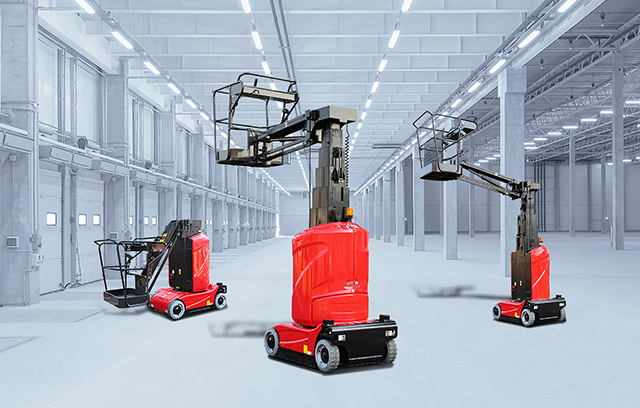
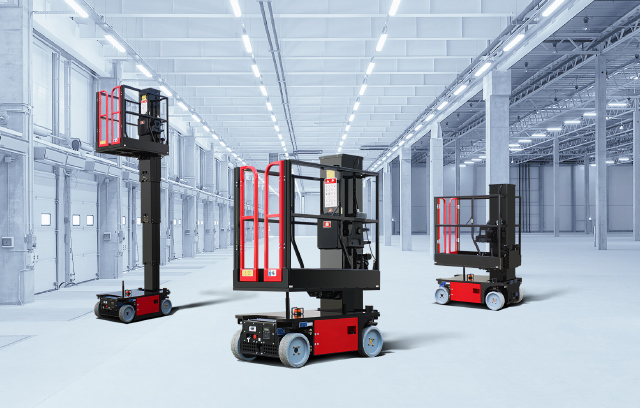
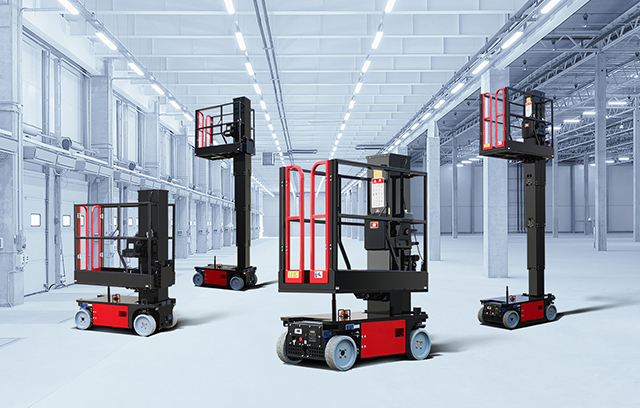
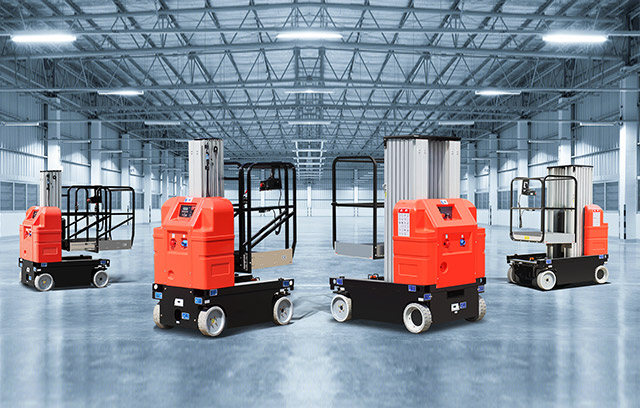
HOME / PRODUCTS / PUSH AROUND VERTICAL LIFTS / Push Around Vertical Lifts-One Man Lifts

Push Around Vertical Lifts-One Man Lifts Custom

about REES lift

Reeslift Ltd.

Reeslift Ltd.

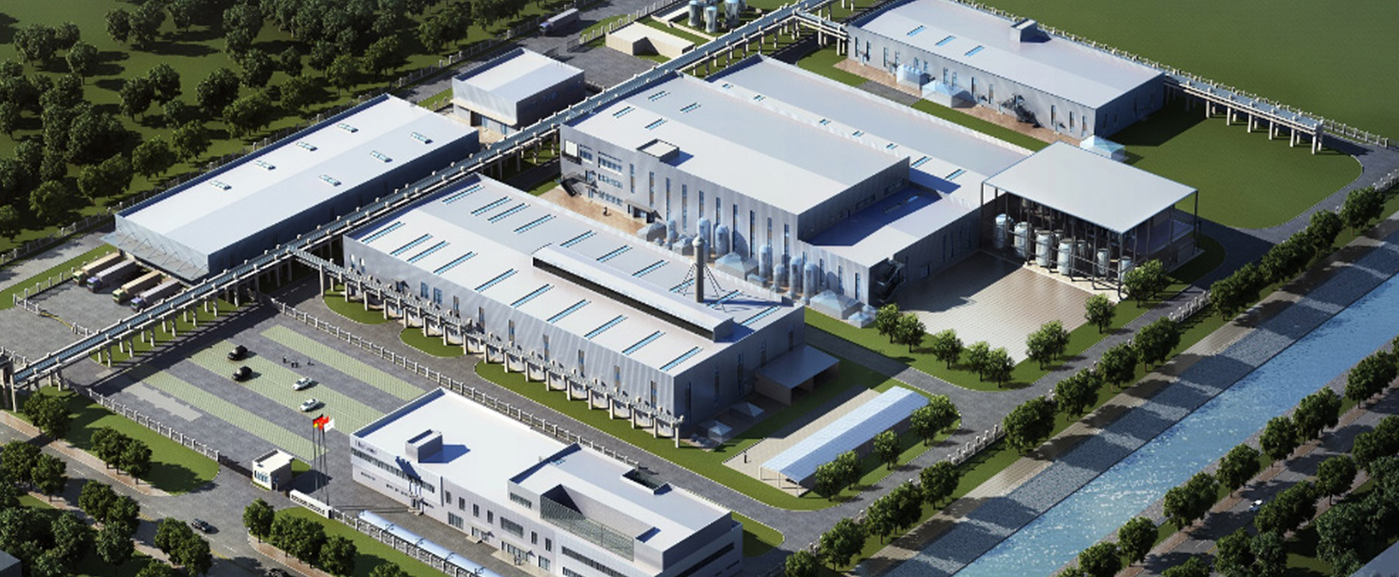
Safer Indoor AWP Expert- Reeslift Ltd. is a Chinese manufacturer of CE certified aerial working platforms. Our company is located in Feicheng Bianyuan Economic Area, Shandong, China, engaged in Vertical lifts and Scissor Lifts design, production and sales. From the very beginning, we have been dedicated to providing customers with safer indoor aerial working platforms.
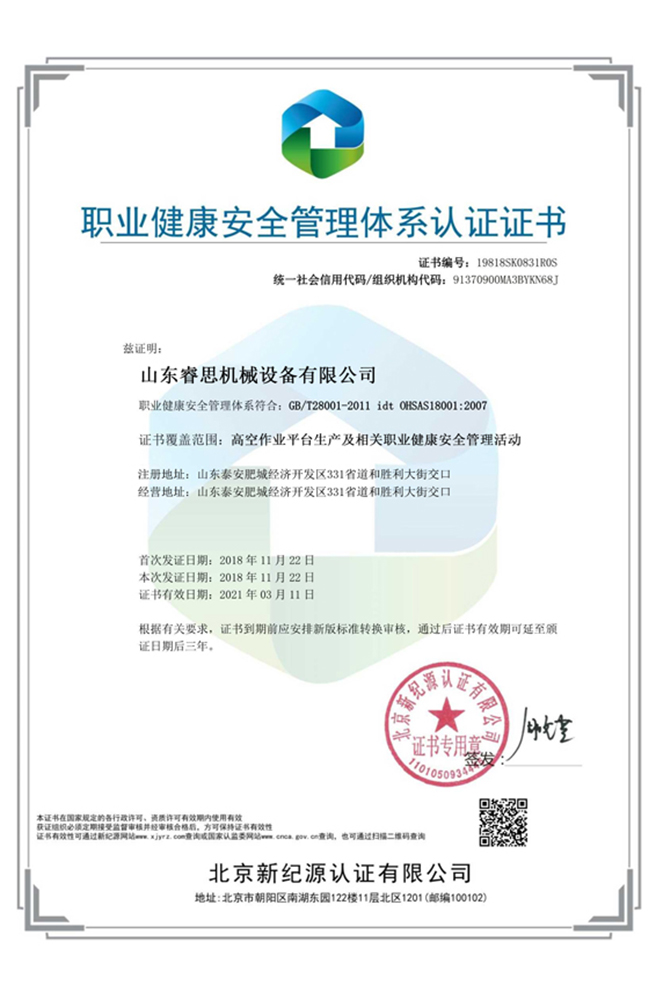
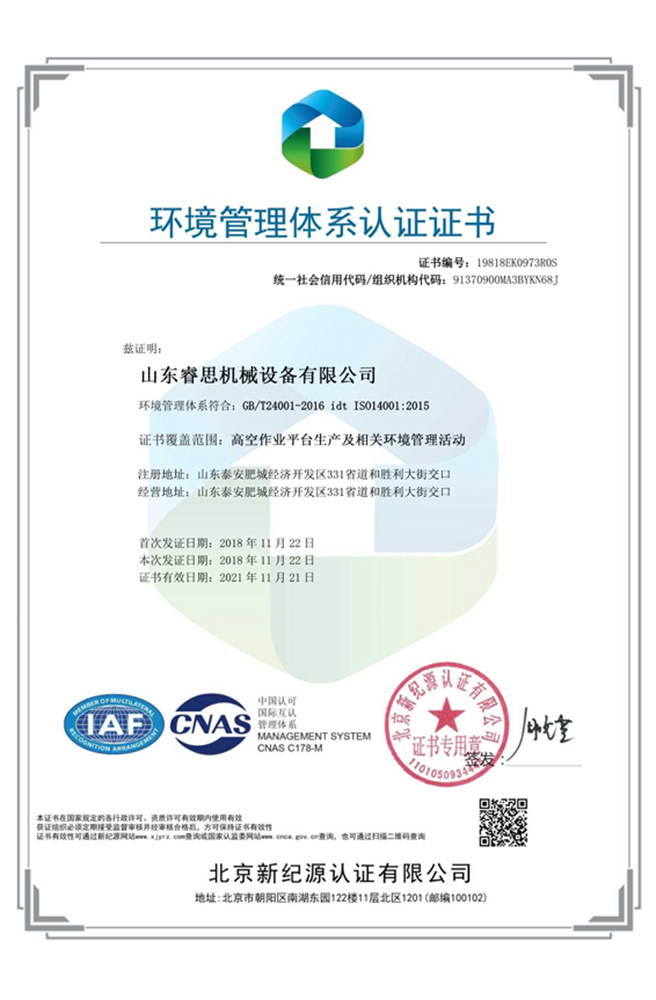
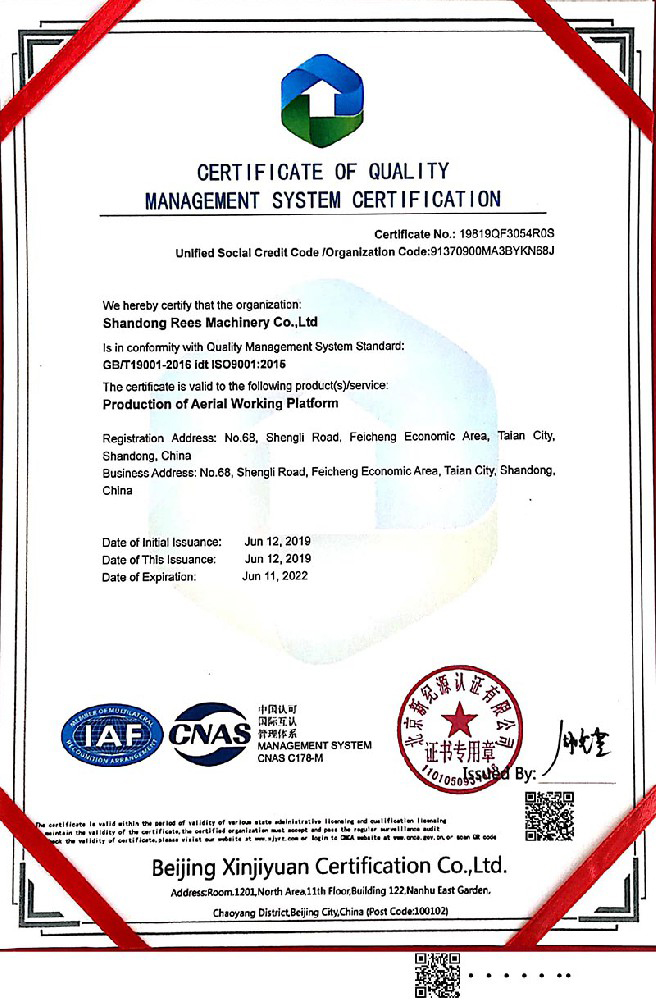
As a professional China Push Around Vertical Lifts-One Man Lifts manufacturers and Push Around Vertical Lifts-One Man Lifts factory, relying on years of production experience, REES continuously adopts new technologies, new processes and new materials, implements ISO 9001, ISO 14001 and ISO 18001 standards of international quality management system, international environmental management system, and international health and safety management system, and all its products have passed CE certification in Europe. The technical indicators have reached a high level in the same industry in China, and occupied the market with reasonable prices and good services. They are deeply trusted by the vast number of users. The products are exported to more than 100 countries and regions in Europe, Asia and the United States.

  • 0

    Enterprise establishment

  • 0+

    Product Varieties

  • 0+

    Product category

  • 0

    Production capacity

Honor

  • honor
  • honor
  • honor

News

Industry Knowledge Expansion

The Evolution of Aerial Access: Why Push Around Vertical Lifts Are Essential

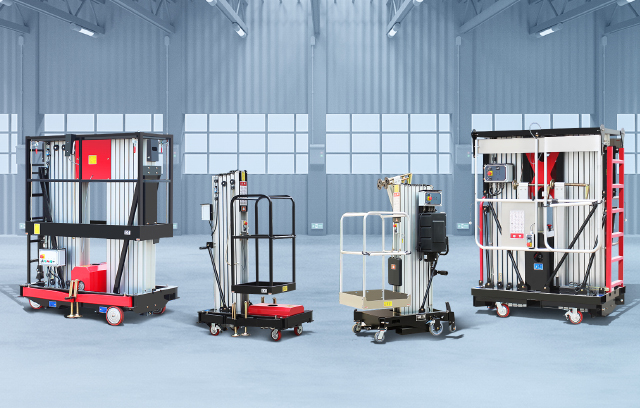
In the realm of modern facility maintenance, construction, and interior finishing, the efficiency and safety of overhead work have become paramount. For decades, workers relied on traditional ladders and scaffolding to reach elevated heights. However, these methods often present significant stability issues and ergonomic challenges. Today, industry professionals are shifting toward Push Around Vertical Lifts (One-Man Lifts), which have emerged as the gold standard for indoor aerial tasks.

At REES Industries, we recognize that the primary requirement for indoor maintenance is a balance between precision, portability, and operator security. As a specialized Chinese manufacturer of CE-certified aerial working platforms, located in the Feicheng Bianyuan Economic Area, Shandong, China, our mission has been to redefine how professionals operate at height. By transitioning from unstable ladders to our purpose-built Push Around Vertical Lifts (One-Man Lifts), facility managers can significantly mitigate fall risks while drastically increasing productivity.

These lifts are designed to provide a stable, vertical platform that allows a single operator to perform tasks such as electrical maintenance, painting, and warehouse stocking with confidence. Unlike larger, cumbersome machinery, the One-Man Lift is engineered for the unique constraints of indoor spaces—tight corridors, sensitive flooring, and passenger elevators. Our dedication to integrating new technologies, processes, and high-strength materials ensures that every piece of equipment we produce offers a superior level of reliability for users in over 100 countries.

Understanding the Shift: Traditional Methods vs. REES Industries One-Man Lifts

To illustrate why specialized vertical access equipment is essential for modern facilities, consider the following performance comparison between conventional methods and our professional-grade solutions:

Feature Traditional Ladders Scaffolding REES Industries One-Man Lifts
Stability Low (High risk of tipping) Moderate (Requires assembly) High (Integrated stabilizers)
Mobility Manual (High effort) Static/Slow to move Easy (Push-around design)
Setup Time Instant (but unsafe) High (Labor intensive) Fast (Single-operator setup)
Safety Profile Dangerous/Frequent falls Risk of collapse/parts drop CE Certified/High security
Workspace Limited (One hand only) Wide but bulky Optimized for single-person efficiency

As an expert in Safer Indoor AWP, REES Industries has dedicated years to perfecting the design of these lifts. By adopting international ISO 9001, ISO 14001, and ISO 18001 standards, we ensure that every unit produced in our facility meets the rigorous safety demands of users worldwide. Our technical indicators have reached a high level in the same industry in China, allowing us to provide equipment that is deeply trusted by a vast number of users.

Understanding the Mechanics of Push Around Vertical Lifts

At the core of every Push Around Vertical Lift (One-Man Lift) is a philosophy of simplicity combined with high-performance engineering. Unlike complex, self-propelled boom lifts, these units are specifically designed to be lightweight and user-friendly, allowing a single operator to manually maneuver the lift into position before engaging the electric vertical lift mechanism. As a leading manufacturer, REES Industries has refined the structural anatomy of these lifts to ensure they provide maximum stability with minimal footprint.

Anatomy of a High-Performance One-Man Lift

The mechanics of a Push Around Vertical Lift can be broken down into four critical components:

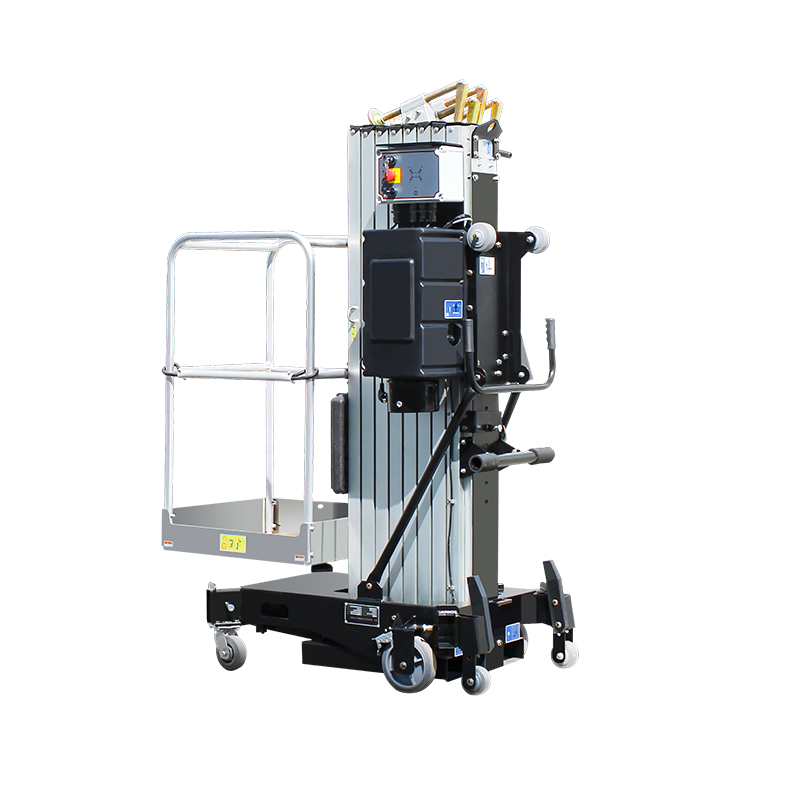
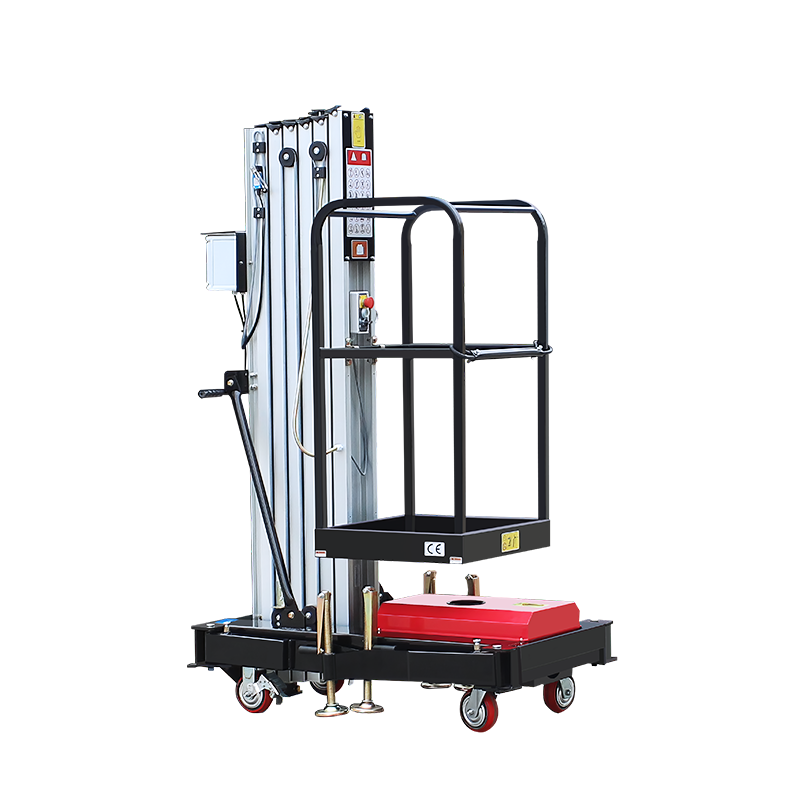
The Rigid Mast System: This is the vertical backbone of the lift. REES Industries utilizes high-strength aluminum alloy extrusions to ensure the mast remains stable even at full extension, minimizing the sway often felt on traditional ladders.

The Stabilizing Outrigger System: To achieve maximum height while maintaining a compact base, our lifts feature an integrated interlock system. The lift will not engage unless the outriggers are properly deployed, ensuring a rock-solid foundation for the operator.

The Intuitive Control Panel: Safety and ease of use are controlled via a centralized interface located on the platform. This allows the user to ascend and descend with precise control, including an emergency stop function and a manual descent valve for power-loss scenarios.

The Chassis and Mobility Gear: Designed for indoor agility, the base is equipped with non-marking casters that protect sensitive floors (such as gymnasium wood, marble, or carpet) while allowing the operator to push the unit manually between workspaces with minimal physical effort.

Typical Performance Benchmarks

The table below highlights standard technical indicators based on the engineering standards implemented at REES Industries.

Technical Indicator Standard Operational Range
Max Working Height 6m – 14m
Platform Load Capacity 125kg – 150kg
Outrigger Footprint Compact (typically within 2m x 2m area)
Power System 220V AC or Optional DC Battery
Safety System CE Certified / Dual-control emergency descent

At REES Industries, we focus on ensuring that these technical indicators reach the highest levels in the industry. By adhering to international ISO standards, we ensure that our One-Man Lifts offer a level of rigidity and reliability that provides the operator with total confidence.

The Strategic Advantages of Adopting One-Man Lifts

Investing in Push Around Vertical Lifts (One-Man Lifts) is a strategic move to optimize operational safety and efficiency. At REES Industries, we have observed that facilities integrating our CE-certified platforms into their maintenance routines experience a measurable improvement in both site safety metrics and task turnaround times. These units are not just tools; they are essential components of a modern, safety-first facility management strategy.

Why One-Man Lifts Outperform Traditional Access Methods

Strategic Advantage Benefit to Your Facility
Fall Hazard Elimination Provides an enclosed platform with guardrails, significantly reducing insurance claims.
Increased Labor Efficiency Allows one person to set up and complete tasks that previously required multiple staff.
Minimized Facility Downtime Fast setup allows for rapid maintenance without disrupting operations in busy areas.
Floor Surface Protection Lightweight construction and non-marking wheels preserve expensive interior finishes.

Core Strategic Benefits

Enhanced Safety Protocols: Our Push Around Vertical Lifts are engineered to remove the human error inherent in ladder climbing. By choosing REES Industries, you benefit from equipment that adheres to rigorous international health and safety management systems, ensuring your team is supported by the highest level of protection.

Superior Portability: In large corporate campuses or manufacturing plants, time is of the essence. Our design philosophy centers on a compact footprint, ensuring our lifts pass through standard passenger elevators and narrow doorways with ease.

Top Push Around Vertical Lift Models for Specialized Maintenance

At REES Industries, we specialize in manufacturing high-performance Push Around Vertical Lifts (One-Man Lifts) that cater to diverse indoor requirements. By leveraging advanced CNC machining for our mast systems and strictly adhering to CE, ISO 9001, and ISO 14001 standards, we ensure that every model provides the stability and reliability required for professional facility maintenance.

REES Industries Model Series Comparison

Model Series Structure Type Max Working Height Key Characteristics
GTWY1 Series Single Mast 6.7m – 11.0m Ultra-compact, ideal for narrow aisles.
GTWY2 Series Double Mast Up to 12.0m+ Enhanced stability for heavier tool loads.
AWP1 Series Aluminum Single Mast 6.0m – 10.0m Lightweight, perfect for sensitive floors.
AWP2 Series Aluminum Double Mast 8.0m – 14.0m Robust durability for high-reach, demanding tasks.

Critical Safety Guidelines and Protocols for One-Man Lifts

Operating a Push Around Vertical Lift (One-Man Lift) requires strict adherence to safety standards to ensure the well-being of the operator and the integrity of the facility. At REES Industries, safety is not an add-on—it is the foundation of our engineering. We align our manufacturing with global safety management systems to provide equipment that protects your workforce.

Mandatory Pre-Operation Inspection Checklist

Inspection Area Key Checkpoints
Structural Integrity Check for cracks, bent railings, or missing bolts on the mast and base.
Outrigger System Ensure stabilizers are free of debris and interlocks engage.
Hydraulic/Power Verify no fluid leaks and secure battery/power connections.
Controls Test emergency stop, lower-level override, and descent valves.

Selecting the Ideal Push Around Vertical Lift for Your Facility

Choosing the right Push Around Vertical Lift (One-Man Lift) is a critical decision that impacts both the safety of your team and the efficiency of your maintenance operations. At REES Industries, we believe that the best equipment is not necessarily the largest, but the one that perfectly fits your specific environment and task requirements.

Height Metrics: Always distinguish between working height and platform height. Our models are rated by working height to ensure you can reach your target safely. Remember that working height is generally the platform height plus 2 meters.

Load Management: Always adhere to the rated capacity. Remember that the load includes the operator, all tools, and any materials being lifted. Exceeding these limits can compromise the stability of the mast.

Storage & Transit: Before finalizing your choice, measure your narrowest doorway and elevator cabin. Our GTWY1 and AWP1 series are specifically engineered for slim-profile navigation.

FAQ

How often should a Push Around Vertical Lift be inspected? REES Industries recommends a pre-operation inspection every single time the lift is used. In addition, a formal, documented preventative maintenance check should be conducted at least every 6 months.

Can a One-Man Lift be used on uneven surfaces? No. These lifts are designed for use on flat, level, and solid surfaces. If your facility has slightly uneven surfaces, ensure you use the integrated adjustable outriggers to level the unit completely before elevation.

What is the primary difference between a Push Around Vertical Lift and a self-propelled lift? A Push Around Vertical Lift is manually pushed by the operator to the desired location and then locked in place, making it a much lighter, more compact, and cost-effective solution for static tasks.

Are operators required to undergo formal training? Yes. Regardless of the simplicity of the equipment, OSHA-compliant training is essential. Operators must be trained in the specific functions of the lift, the use of emergency descent controls, and the proper deployment of outriggers.