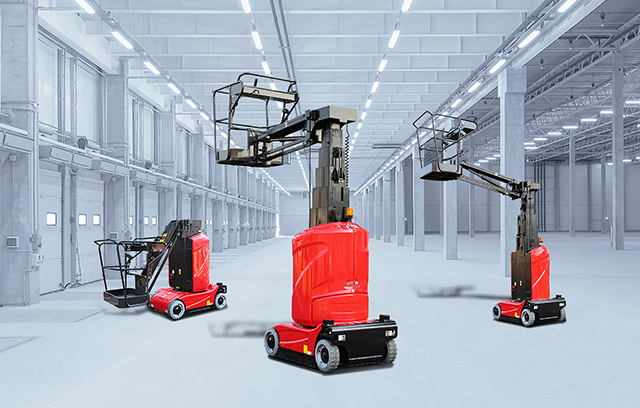
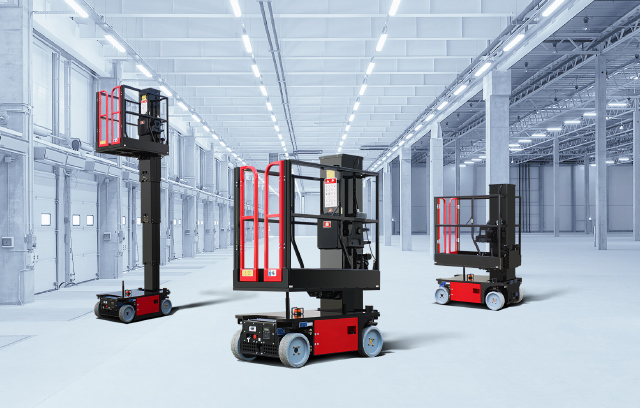
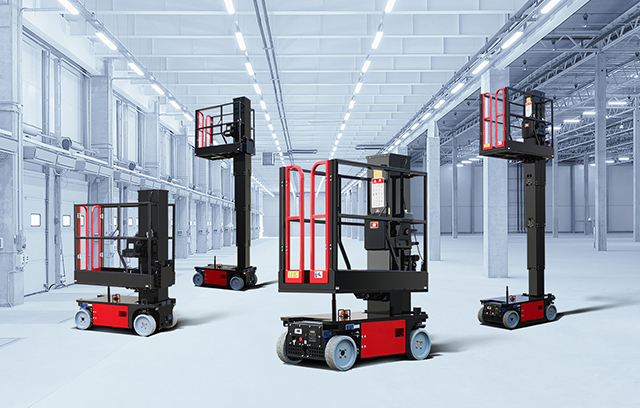
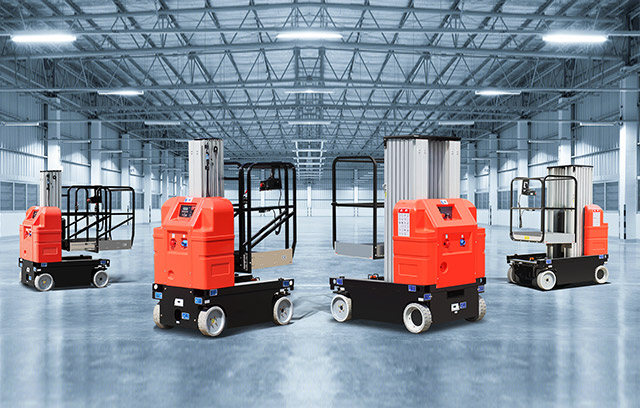
Safer Indoor AWP Expert-
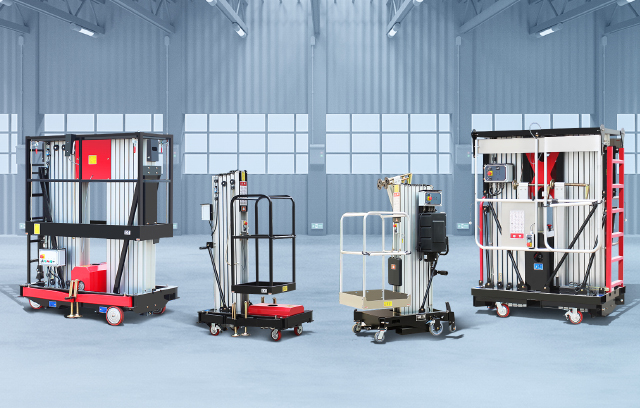
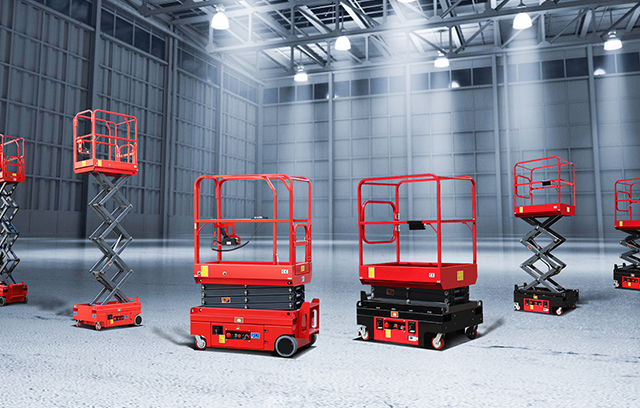
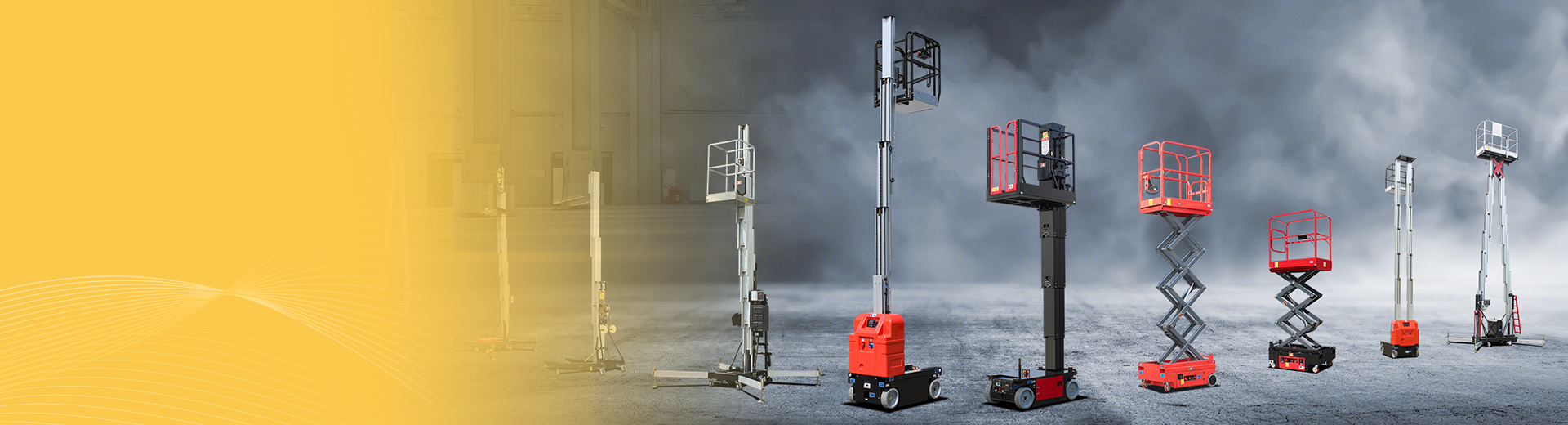
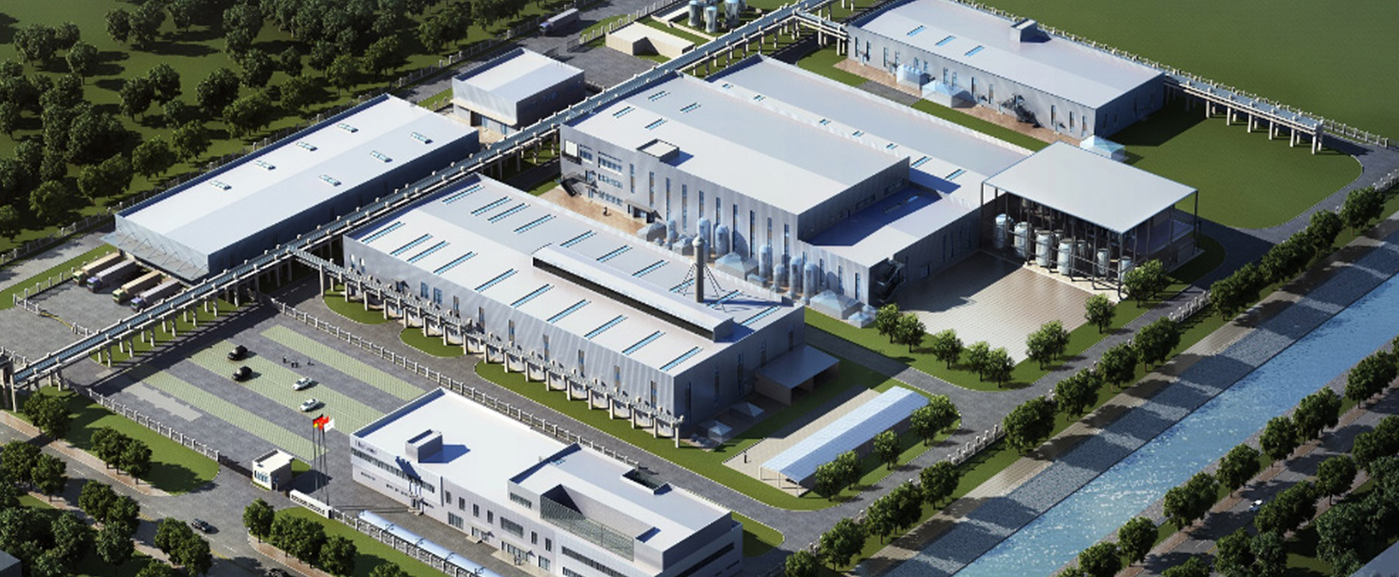
Reeslift Ltd. is a Chinese manufacturer of CE certified aerial working platforms. Our company is located in Feicheng Bianyuan Economic Area, Shandong, China, engaged in Vertical lifts and Scissor Lifts design, production and sales. From the very beginning, we have been dedicated to providing customers with safer indoor aerial working platforms.
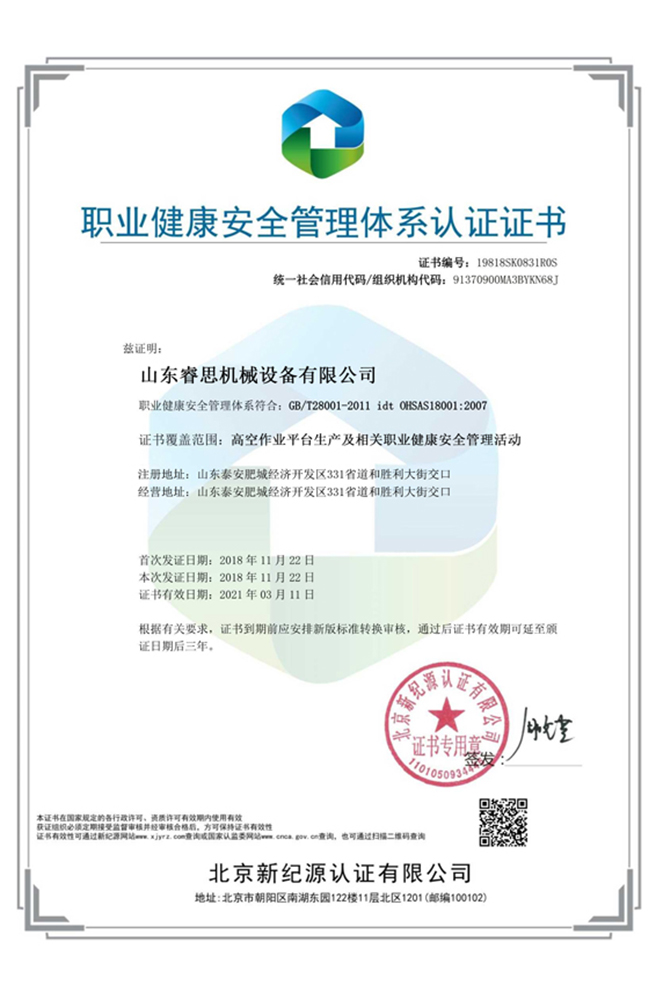
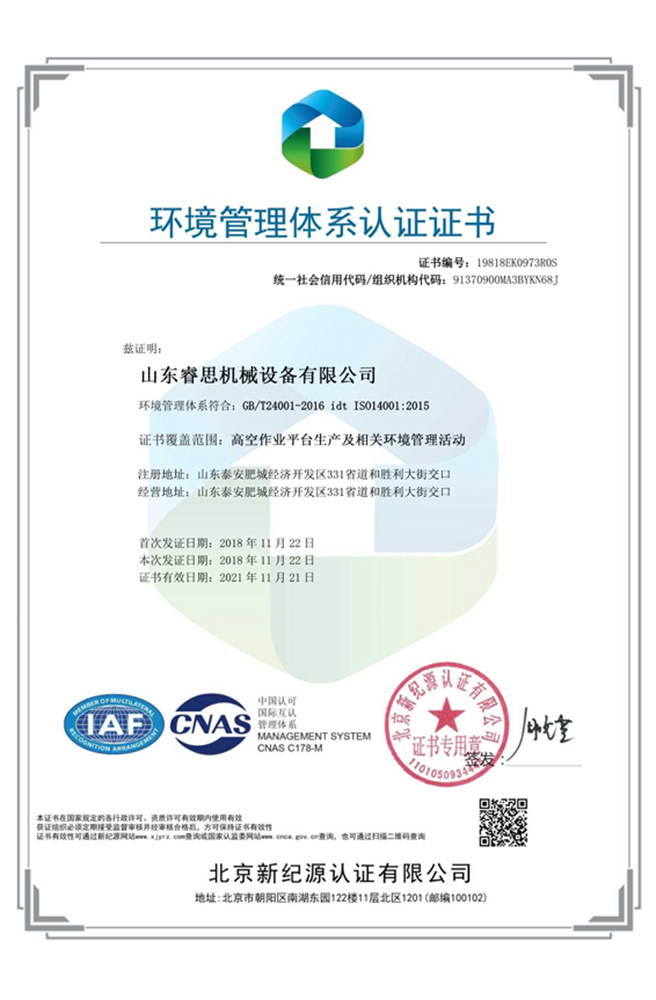
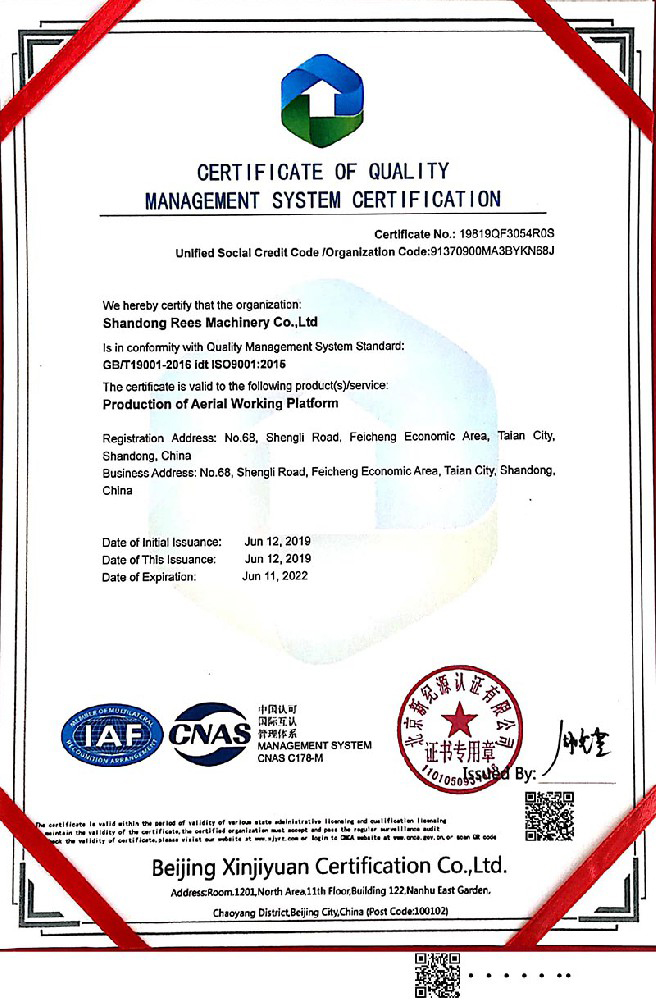
As a professional China push around vertical lifts manufacturers and push around vertical lifts factory, relying on years of production experience, REES continuously adopts new technologies, new processes and new materials, implements ISO 9001, ISO 14001 and ISO 18001 standards of international quality management system, international environmental management system, and international health and safety management system, and all its products have passed CE certification in Europe. The technical indicators have reached a high level in the same industry in China, and occupied the market with reasonable prices and good services. They are deeply trusted by the vast number of users. The products are exported to more than 100 countries and regions in Europe, Asia and the United States.
Enterprise establishment
Product Varieties
Product category
Production capacity


In modern warehousing, sophisticated industrial maintenance, and narrow-space operation scenarios, v...
View MoreDear REES Customers, The battery is the core power source of REES aerial work platforms, including ...
View MoreGrowing Demand for Compact Indoor Access Equipment With the increasing demand for efficient and comp...
View MoreOn April 9–10, the 10th National Aerial Work Platform Rental Conference & Equipment Exhibition w...
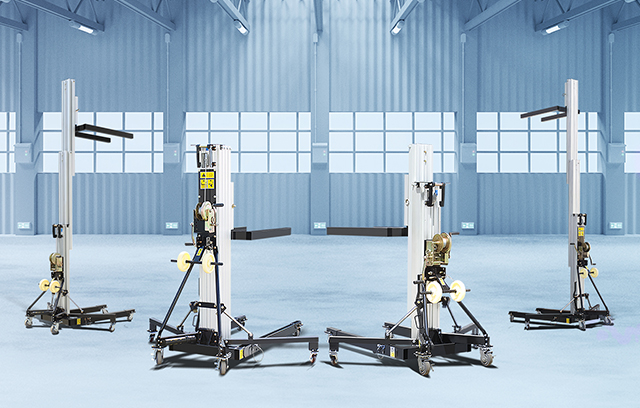
View MoreManual Material Lifts are essential equipment in many industries due to their simplicity, low cost, ...
View MoreAfter specializing in the vertical aerial work platform for 11years, REESLIFT has completed a new ro...
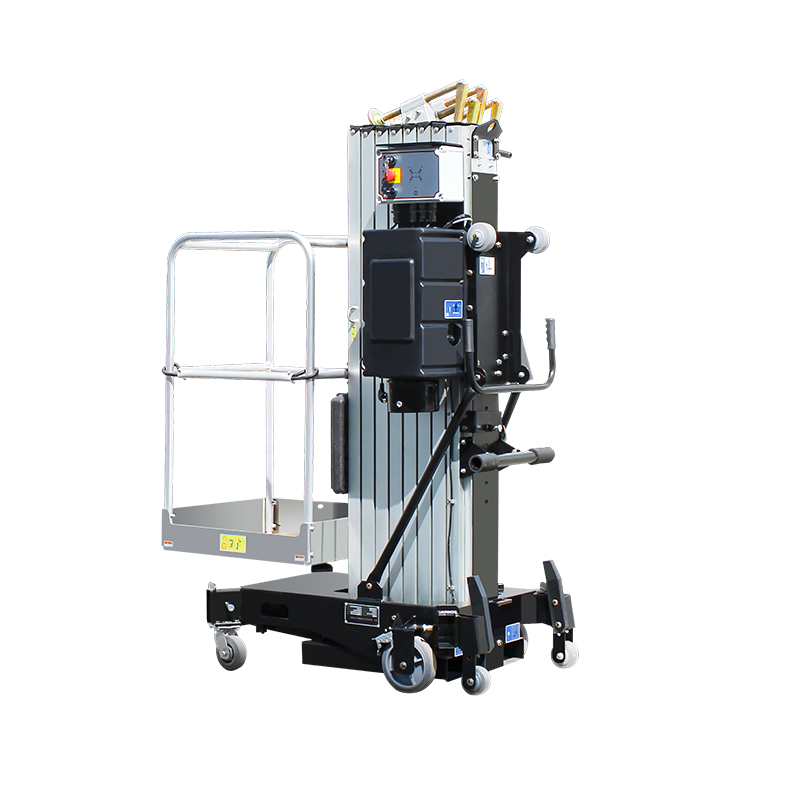
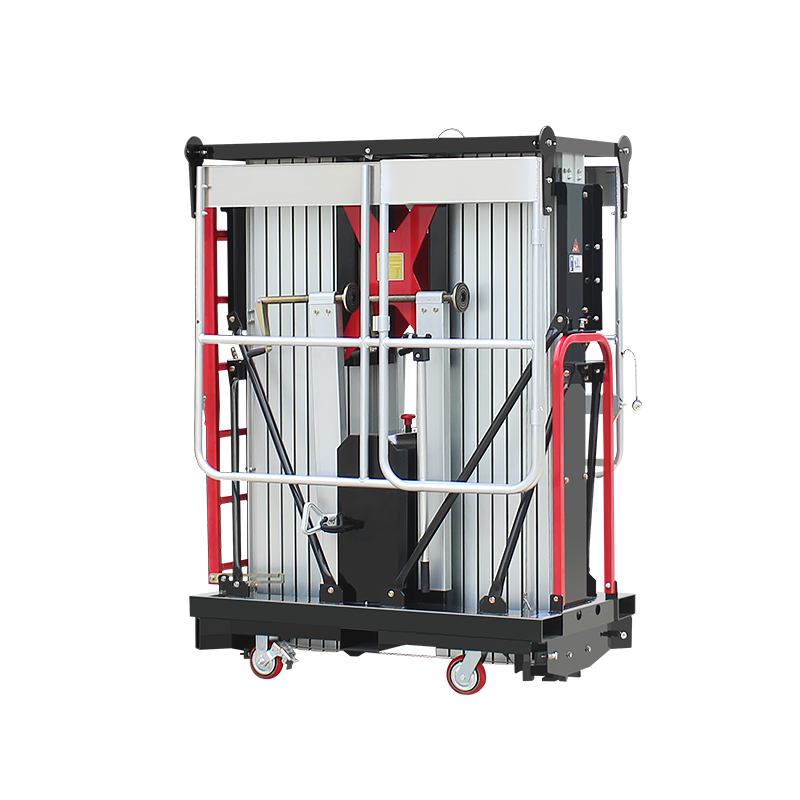
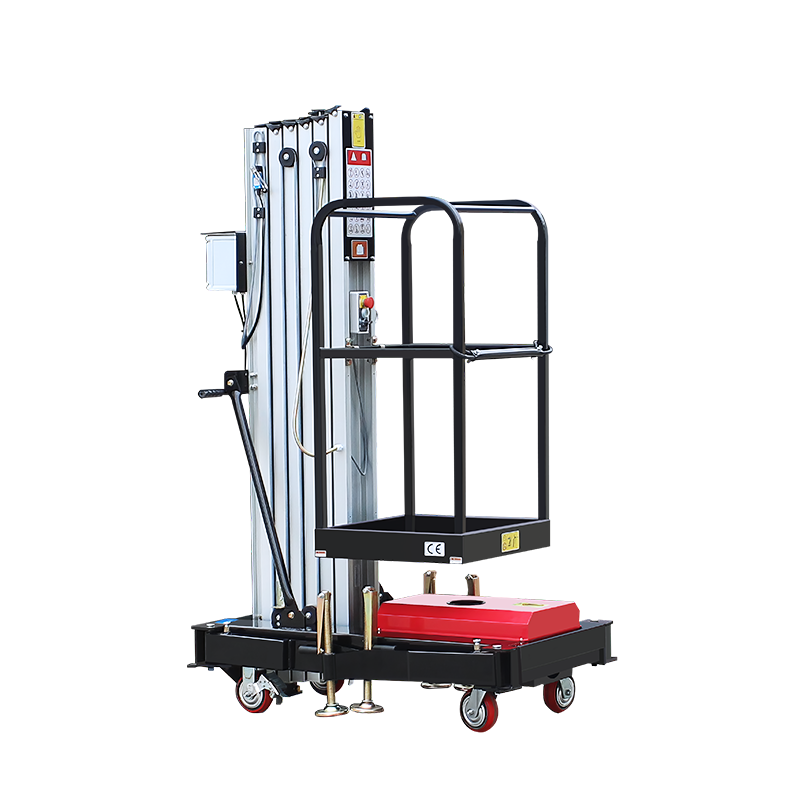
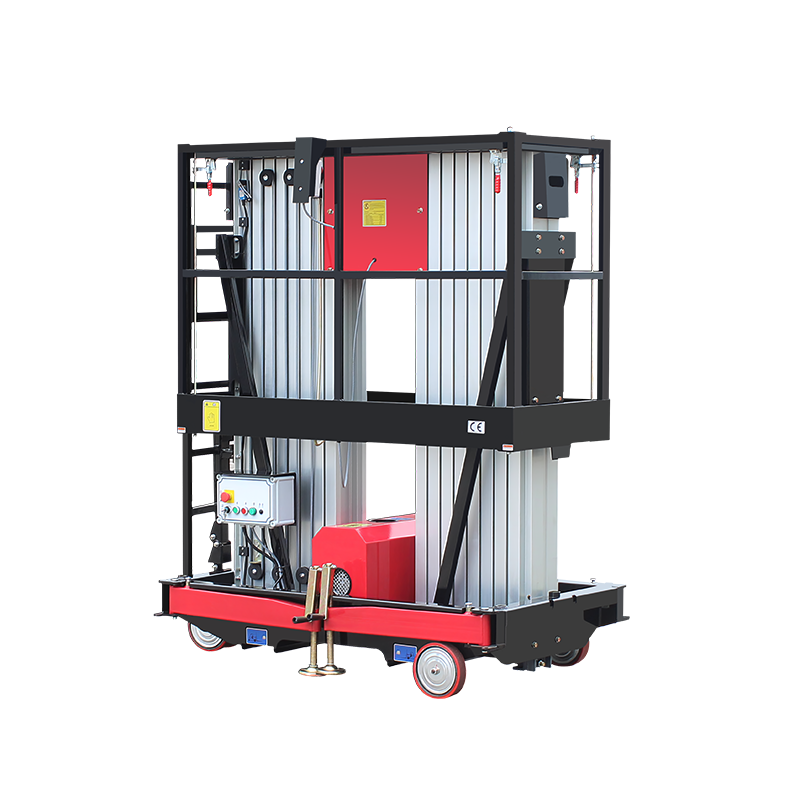
View MorePush Around Vertical Lifts are compact, manually maneuvered aerial work platforms designed to elevate workers and their tools to elevated heights in a safe, efficient, and space-conscious manner. Unlike large self-propelled machines, Push Around Vertical Lifts are lightweight units that operators can easily reposition by hand — making them one of the most practical solutions for indoor elevated work.
The operating principle is straightforward: a vertical mast system extends upward from a stable base, raising a standing platform to the desired working height. The operator steps onto the platform, activates the lift mechanism (typically electric-powered), ascends to the target height, completes the task, and then descends. Once on the ground, the unit can be manually pushed to the next position with minimal effort.
This simplicity is precisely what makes Push Around Vertical Lifts so widely adopted across industries that require frequent repositioning at height — such as warehousing, retail, and building maintenance.
| Component | Function |
|---|---|
| Vertical Mast | Extends upward to reach working height |
| Work Platform | Standing area for operator and tools |
| Base Frame | Provides stability and houses the power unit |
| Castors / Wheels | Enable manual push-around mobility |
| Control Panel | Platform-mounted controls for raise/lower |
| Battery / Power Unit | Powers the electric lift mechanism |
Traditional aerial platforms — such as boom lifts or large scissor lifts — are built for outdoor or heavy-duty use. They are bulky, require engine power, and are difficult to maneuver in confined spaces. Push Around Vertical Lifts, by contrast, are purpose-built for indoor environments, featuring:
Push Around Vertical Lifts serve a broad range of users across multiple sectors:
At Reeslift Ltd. (REES Industries), we have specialized in the design, production, and sales of Push Around Vertical Lifts since our establishment in Feicheng Bianyuan Economic Area, Shandong, China. As a dedicated indoor AWP expert, our Push Around Vertical Lifts are CE certified and manufactured under ISO 9001, ISO 14001, and ISO 18001 international management system standards — ensuring every unit meets the highest benchmarks in quality, environmental responsibility, and operator safety. Today, our products are trusted by customers in more than 100 countries and regions across Europe, Asia, and the Americas.
Push Around Vertical Lifts are engineered with a specific purpose in mind: delivering safe, reliable, and convenient elevated access in indoor environments. Understanding their core features helps buyers and operators select the right unit for their application. Below is a detailed breakdown of what defines a high-quality Push Around Vertical Lift.
One of the most valued characteristics of Push Around Vertical Lifts is their minimal footprint. These machines are designed to navigate through standard doorways, around warehouse racking, and into tight maintenance corridors without difficulty.
| Specification | Typical Range |
|---|---|
| Machine Width | 750 mm – 900 mm |
| Machine Length | 1,200 mm – 1,600 mm |
| Machine Weight | 300 kg – 700 kg |
| Door Clearance Width | As narrow as 760 mm |
This compact form factor makes Push Around Vertical Lifts far more maneuverable than scissor lifts or boom lifts in space-restricted indoor environments.
The defining characteristic of Push Around Vertical Lifts — as the name suggests — is their manual push-around mobility. Rather than relying on a drive motor to move the machine, operators simply push the unit across flat indoor surfaces by hand. This offers several practical advantages:
For applications where the lift is moved frequently between positions — such as retail stocking or ceiling maintenance — this manual mobility is highly efficient.
Push Around Vertical Lifts are available across a wide range of working heights, making them suitable for everything from low-level retail shelving to high-bay warehouse maintenance.
| Model Class | Platform Height | Maximum Working Height |
|---|---|---|
| Compact / Low-Level | 3.0 m – 4.5 m | 5.0 m – 6.5 m |
| Mid-Range | 5.0 m – 7.0 m | 7.0 m – 9.0 m |
| High-Reach | 8.0 m – 10.0 m | 10.0 m – 12.0 m |
At Reeslift Ltd. (REES Industries), our Push Around Vertical Lifts cover platform heights ranging from 3 m to 10 m, allowing customers to find the precise specification for their facility's ceiling height and task requirements.
Push Around Vertical Lifts are designed to safely carry one operator along with their tools and materials. Load capacity is a critical safety parameter and varies by model.
| Platform Height | Typical Rated Load |
|---|---|
| 3.0 m – 5.0 m | 200 kg – 250 kg |
| 5.0 m – 7.0 m | 150 kg – 200 kg |
| 8.0 m – 10.0 m | 120 kg – 150 kg |
All REES Industries Push Around Vertical Lifts are rated and tested in compliance with CE certification standards, ensuring that load capacities stated are verified through rigorous third-party testing — not merely manufacturer estimates.
Indoor environments — particularly retail stores, hospitals, food processing facilities, and exhibition halls — demand that equipment does not damage or stain flooring surfaces. Push Around Vertical Lifts are equipped with non-marking polyurethane castors that:
This feature alone makes Push Around Vertical Lifts the preferred choice over tracked or rubber-tired self-propelled machines in sensitive indoor settings.
Modern Push Around Vertical Lifts run on rechargeable battery systems, delivering zero-emission, low-noise operation ideal for enclosed spaces.
| Power Specification | Typical Value |
|---|---|
| Battery Voltage | 24V DC |
| Battery Capacity | 45 Ah – 100 Ah |
| Full Charge Time | 6 – 8 hours |
| Lift Cycles per Charge | 80 – 150 cycles (model dependent) |
| Charger Type | Built-in or external plug-in charger |
REES Industries equips its Push Around Vertical Lifts with high-cycle battery systems and integrates automatic low-battery indicators on the platform control panel, ensuring operators are always aware of power status before ascending.
Safety is never optional on Push Around Vertical Lifts. As a CE-certified manufacturer operating under ISO 18001 health and safety management standards, Reeslift Ltd. builds the following safety systems into every unit:
These layered safety features reflect REES Industries' founding commitment: to be a Safer Indoor AWP Expert, providing operators with confidence at every working height.
Not all Push Around Vertical Lifts are manufactured to the same standard. When evaluating a unit, buyers should look for:
| Quality Indicator | What to Look For |
|---|---|
| Certification | CE marking (mandatory for European markets) |
| Quality Management | ISO 9001 certified manufacturer |
| Environmental Standard | ISO 14001 certified production |
| Safety Management | ISO 18001 certified operations |
| Steel Construction | High-strength welded steel mast and frame |
| Surface Treatment | Powder-coated or electro-galvanized finish |
Every Push Around Vertical Lift produced at Reeslift Ltd.'s facility in Feicheng Bianyuan Economic Area, Shandong, China, carries full CE certification and is manufactured under all three ISO management systems — giving international buyers the assurance of consistent, audited production quality across every unit that leaves the factory.
Safe operation is the foundation of every successful elevated work task. Push Around Vertical Lifts are among the safest aerial work platforms available for indoor use — but like all powered equipment, they must be operated correctly to deliver that safety in practice. The following guidelines cover everything operators and supervisors need to know before, during, and after using Push Around Vertical Lifts.
Before every shift or work session, operators must conduct a thorough walkaround inspection of the Push Around Vertical Lift. This pre-use check takes less than ten minutes but is the single most effective step in preventing equipment-related incidents.
| Inspection Item | What to Check |
|---|---|
| Battery charge level | Sufficient charge for planned work session |
| Mast and lifting mechanism | No visible damage, cracks, or deformation |
| Platform guardrails and gate | Secure, upright, and self-closing gate functional |
| Platform floor surface | Clean, non-slip, no debris or oil |
| Castors and wheels | Rotate freely, no flat spots or damage |
| Pothole protection bars | Present, undamaged, and spring-loaded correctly |
| Control panel functions | Raise, lower, and emergency stop all responsive |
| Hydraulic system | No visible fluid leaks beneath the machine |
| Safety labels and placards | Legible and fully intact |
| Structural welds and fasteners | No cracks, loose bolts, or missing hardware |
Any defect identified during pre-operation inspection must be reported immediately and the Push Around Vertical Lift must be taken out of service until the issue is resolved. Operating a defective unit is never acceptable regardless of workload pressure.
Every Push Around Vertical Lift has a clearly stated rated load capacity that must never be exceeded. This figure includes the combined weight of the operator, their clothing and PPE, all tools, and any materials carried onto the platform.
| Platform Height | Typical Rated Load Capacity | Maximum Recommended Occupancy |
|---|---|---|
| 3.0 m – 5.0 m | 200 kg – 250 kg | 1 operator + tools |
| 5.0 m – 7.0 m | 150 kg – 200 kg | 1 operator + tools |
| 8.0 m – 10.0 m | 120 kg – 150 kg | 1 operator + light tools |
Reeslift Ltd. (REES Industries) integrates overload protection systems into all of its Push Around Vertical Lifts. If the platform load exceeds the rated capacity, the lift mechanism will automatically deactivate — preventing ascent until the excess load is removed. This hardware-level protection adds a critical safety layer beyond operator awareness alone.
Push Around Vertical Lifts are designed for use on flat, level, hard indoor surfaces. Ground conditions directly affect machine stability at height, making surface assessment a non-negotiable part of pre-operation planning.
Acceptable surface conditions:
Conditions requiring caution or avoidance:
| Surface Condition | Action Required |
|---|---|
| Flat, dry, hard floor | Proceed with standard operation |
| Slight surface irregularity | Check pothole protection bar function first |
| Wet or contaminated floor | Do not operate — clean and dry surface first |
| Near floor edge or opening | Maintain minimum 600 mm clearance |
| Gradient present | Check against manufacturer's maximum slope rating |
Before elevating, operators must ensure the Push Around Vertical Lift is correctly positioned for the task and that the surrounding workspace is appropriately managed.
Key positioning rules for Push Around Vertical Lifts:
Once elevated, operators must adhere to strict behavioral guidelines to maintain the safety margins that Push Around Vertical Lifts are designed to provide.
Always on the platform:
Never on the platform:
| Common Mistake | Correct Practice |
|---|---|
| Forgetting to lock castors | Always lock all four castors before ascending |
| Overreaching beyond guardrails | Descend and reposition the machine instead |
| Operating on low battery | Recharge before starting work session |
| Skipping pre-use inspection | Complete full checklist every session without exception |
| Moving machine while elevated | Always lower platform fully before repositioning |
| Ignoring tilt alarm | Descend immediately and reassess ground conditions |
| Overloading platform | Weigh tools and materials before ascending |
Operating Push Around Vertical Lifts safely requires proper training. While specific certification requirements vary by country and jurisdiction, the following training elements are universally recommended:
At Reeslift Ltd. (REES Industries), we support our customers' safety training efforts by providing comprehensive operation manuals, safety placards, and technical documentation with every Push Around Vertical Lift we supply. Our products are manufactured under ISO 18001 international health and safety management system standards — a commitment that extends beyond the factory floor and into the guidance we provide to every operator who works with our equipment. With Push Around Vertical Lifts exported to customers across more than 100 countries and regions, REES Industries understands that clear, practical safety support is as important as the quality of the machine itself.
Proper maintenance is the single most important factor in maximizing the operational lifespan, safety performance, and return on investment of Push Around Vertical Lifts. A well-maintained machine will deliver years of reliable service. A neglected one becomes a liability — both financially and in terms of operator safety. The following maintenance guidance applies to all Push Around Vertical Lifts and reflects the standards upheld by Reeslift Ltd. (REES Industries) across our full product range.
Push Around Vertical Lifts operate in demanding environments — warehouses, construction sites, retail floors, and industrial facilities — where dust, debris, humidity, and physical impacts are everyday realities. Without a structured maintenance program, even the highest quality Push Around Vertical Lifts will experience accelerated component wear, reduced safety system reliability, and ultimately premature failure.
| Maintenance Approach | Likely Outcome |
|---|---|
| Scheduled preventive maintenance | Long service life, low repair costs, consistent safety |
| Reactive maintenance only | Unexpected breakdowns, higher repair costs, safety risks |
| No maintenance program | Premature failure, potential accidents, voided warranty |
Daily checks should be completed by the operator at the start of every working shift. These tasks require no tools and take less than ten minutes — a small investment that prevents the majority of avoidable breakdowns.
| Daily Check Item | Action Required |
|---|---|
| Battery charge indicator | Confirm sufficient charge for planned work |
| Platform and guardrails | Visual check for damage, loose fittings, or deformation |
| Castor wheels | Check for flat spots, debris buildup, or bearing noise |
| Pothole protection bars | Confirm free movement and correct spring tension |
| Control panel | Test raise, lower, and emergency stop functions |
| Hydraulic system | Check for visible fluid leaks beneath the machine |
| Platform gate | Confirm self-closing mechanism operates correctly |
| Safety labels | Confirm all placards are legible and undamaged |
Any issue identified during a daily check must be logged in the machine's maintenance record and reported to the responsible supervisor before the Push Around Vertical Lift is used.
Weekly maintenance tasks go one level deeper than daily checks, examining components that experience gradual wear over multiple operating cycles.
| Weekly Maintenance Item | Action Required |
|---|---|
| Mast channels and rollers | Clean debris, inspect for wear, apply manufacturer-specified lubricant |
| Hydraulic fluid level | Check reservoir level and top up if required |
| Battery terminals | Inspect for corrosion, clean with dry cloth if needed |
| Castor wheel fasteners | Check and re-torque if any looseness detected |
| Platform floor surface | Clean thoroughly, check anti-slip surface integrity |
| Structural welds | Visual inspection for cracks or stress marks |
| Electrical cable routing | Check for chafing, pinching, or damage along cable runs |
| Overload protection system | Function test with known reference weight |
| Maintenance Task | Recommended Interval |
|---|---|
| Full hydraulic system inspection | Monthly |
| Mast alignment check | Monthly |
| Battery capacity test | Monthly |
| All fastener torque check | Quarterly |
| Pothole protection bar function test | Quarterly |
| Tilt sensor calibration check | Quarterly |
| Emergency lowering valve test | Quarterly |
| Complete structural inspection | Quarterly |
| Full electrical system continuity test | Quarterly |
The battery system is one of the most critical and most frequently neglected components of electric Push Around Vertical Lifts. Proper battery management directly affects machine availability, lift performance, and long-term operating costs.
Charging Best Practices
| Battery Care Rule | Reason |
|---|---|
| Charge after every shift | Prevents deep discharge that shortens battery lifespan |
| Never store fully discharged | Deep discharge causes permanent capacity loss |
| Charge in ventilated area | Batteries emit hydrogen gas during charging |
| Use only manufacturer-approved charger | Incorrect chargers damage cells and void warranty |
| Avoid opportunity charging mid-shift | Partial charging cycles degrade some battery types |
| Check electrolyte levels monthly | Applies to flooded lead-acid batteries only |
Battery Performance Indicators
As Push Around Vertical Lifts age, battery performance naturally declines. The following signs indicate a battery that requires testing or replacement:
Reeslift Ltd. (REES Industries) equips its Push Around Vertical Lifts with high-performance battery systems selected for durability in demanding daily use cycles. Our technical documentation provides model-specific battery maintenance schedules and replacement specifications — ensuring operators and maintenance teams always have the correct reference information to hand.
The mast is the structural heart of every Push Around Vertical Lift. It bears the full load of the platform, operator, and materials at height — making its structural integrity a non-negotiable safety requirement.
Mast Inspection Points
| Mast Component | What to Inspect |
|---|---|
| Mast sections and channels | Straightness, absence of dents, bends, or deformation |
| Mast rollers and slide pads | Wear level, smooth operation, correct lubrication |
| Lift chain or belt | Tension, wear, absence of cracks or fraying |
| Chain anchor points | Security of attachment at top and bottom |
| Mast base connection | Structural integrity of weld and fastener connections |
Platform Inspection Points
| Platform Component | What to Inspect |
|---|---|
| Platform frame welds | No cracks, deformation, or stress fractures |
| Guardrail uprights and top rails | Rigidity, no bending or looseness at connection points |
| Entry gate and latch | Self-closing function, latch security |
| Platform floor | Anti-slip surface condition, no holes or weak points |
| Control panel mounting | Secure attachment, no exposed wiring |
Beyond routine operator-led and technician-led maintenance, Push Around Vertical Lifts should undergo a comprehensive annual inspection conducted by a qualified engineer or authorized service provider. This annual inspection should cover:
In many jurisdictions, formal annual inspection and recertification is a legal requirement for Push Around Vertical Lifts used in commercial workplaces. Operators and fleet managers should confirm the specific requirements applicable in their country or region.
Even with excellent maintenance, every Push Around Vertical Lift will eventually reach a point where repair costs outweigh the value of continued service. The following framework helps maintenance managers make objective decisions:
| Condition | Recommended Action |
|---|---|
| Minor wear on consumable parts | Scheduled service and part replacement |
| Battery capacity below 70% of original | Battery replacement |
| Hydraulic cylinder seal failure | Seal replacement by qualified technician |
| Mast deformation or structural crack | Take out of service — assess repair vs. replace |
| Repeated electrical faults | Full electrical system inspection and repair |
| Machine age exceeding 10–12 years with high hours | Evaluate full replacement |
| Safety system non-repairable failure | Immediate decommissioning |
At Reeslift Ltd. (REES Industries), we design our Push Around Vertical Lifts for longevity. Our manufacturing processes — governed by ISO 9001 quality management standards at our Feicheng Bianyuan Economic Area facility in Shandong, China — prioritize component quality and structural durability from the ground up. We supply spare parts and technical support to customers across more than 100 countries and regions, ensuring that when maintenance or repair is needed, our customers have direct access to the correct components and guidance without delay. A well-maintained REES Push Around Vertical Lift is built to deliver a decade or more of reliable, safe elevated access — making it one of the most cost-effective long-term investments available in the indoor aerial work platform category.
The maximum working height of Push Around Vertical Lifts varies by model. Most standard units offer platform heights ranging from 3.0 m to 10.0 m, which translates to maximum working heights of approximately 5.0 m to 12.0 m when accounting for the average operator's reach above the platform. Reeslift Ltd. (REES Industries) manufactures Push Around Vertical Lifts across this full height spectrum, allowing customers to select the precise model that matches their facility's ceiling height and task requirements. For high-bay warehouses or industrial facilities with ceiling heights above 10 m, our high-reach Push Around Vertical Lifts provide the elevated access required while maintaining the compact footprint that defines this equipment category.
Push Around Vertical Lifts are primarily designed and optimized for indoor use on flat, hard surfaces. Most standard models are not rated for outdoor terrain due to their manual push mobility, non-marking indoor castors, and sensitivity to uneven or soft ground conditions. However, certain heavy-duty Push Around Vertical Lift models with enhanced castor systems may be suitable for use on smooth, level outdoor surfaces such as compacted concrete aprons or sealed loading areas — provided weather conditions are within acceptable parameters (no wind speeds exceeding manufacturer limits, no wet or icy surfaces). Always consult the specific model's technical documentation and confirm suitability for outdoor use with the manufacturer before deploying Push Around Vertical Lifts in exterior environments.
Licensing and certification requirements for Push Around Vertical Lifts vary by country, jurisdiction, and workplace regulatory framework. In most markets, there is no formal government-issued license specifically for Push Around Vertical Lifts. However, employer-led training and competency assessment is universally required under workplace health and safety legislation in the majority of countries. This means operators must be trained on the specific model they will use, understand all safety systems and operational limits, and be assessed as competent before working independently at height. In some industries — particularly construction and mining — additional site-specific inductions or verified operator cards may be required. REES Industries provides comprehensive operation manuals and safety documentation with every Push Around Vertical Lift to support employer training programs.
The weight of Push Around Vertical Lifts depends primarily on platform height and model specification. Typical machine weights fall within the following ranges:
| Platform Height | Approximate Machine Weight |
|---|---|
| 3.0 m – 5.0 m | 300 kg – 450 kg |
| 5.0 m – 7.0 m | 400 kg – 550 kg |
| 8.0 m – 10.0 m | 550 kg – 700 kg |
Machine weight is an important consideration for facilities with sensitive flooring or where the Push Around Vertical Lift must be transported in a freight elevator. Always verify the floor load-bearing capacity of any surface on which the machine will be operated, and confirm elevator payload limits before transporting Push Around Vertical Lifts between floors.
Push Around Vertical Lifts are designed for use on flat, level surfaces only. Operating these machines on slopes introduces significant tip-over risk, particularly when the platform is elevated. Every Push Around Vertical Lift has a maximum gradient rating — typically between 1° and 3° — beyond which operation is prohibited. Most models are equipped with tilt sensors that trigger an audible alarm if the machine is positioned on a surface that exceeds the safe gradient limit. If a tilt alarm activates, operators must descend immediately without attempting to reposition the machine while elevated. For worksites with uneven floors or gradient changes, the appropriate solution is to use wheel chocks, floor leveling plates, or to select a different access method suited to the terrain. Reeslift Ltd. (REES Industries) clearly specifies maximum gradient ratings for all Push Around Vertical Lift models in the accompanying technical documentation — ensuring operators and site managers have the information needed to make safe deployment decisions every time.