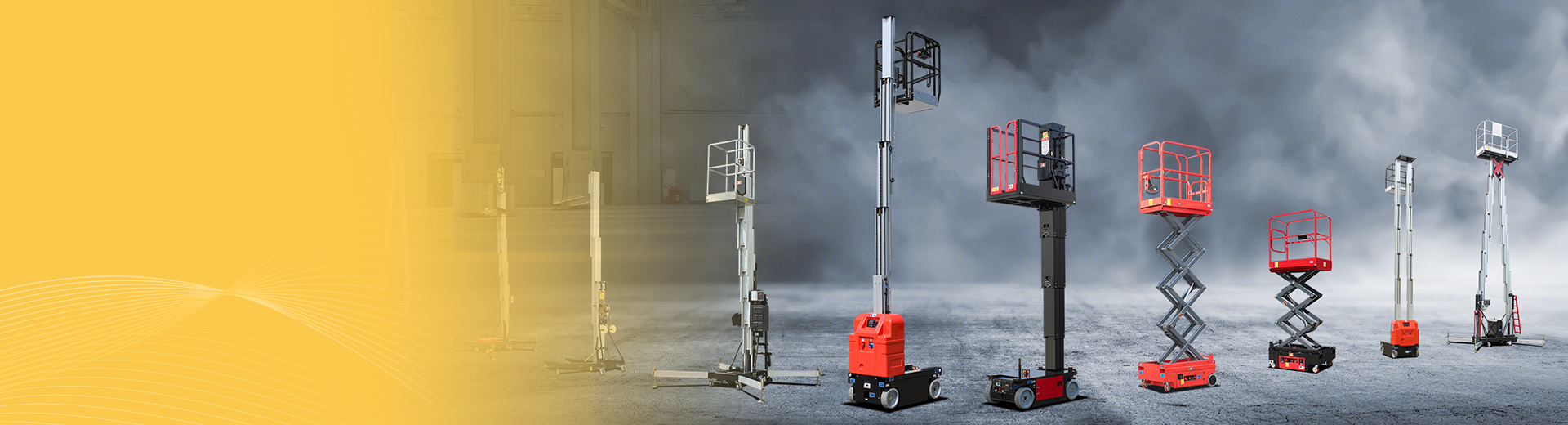
HOME / PRODUCTS / SELF PROPELLED VERTICAL LIFTS

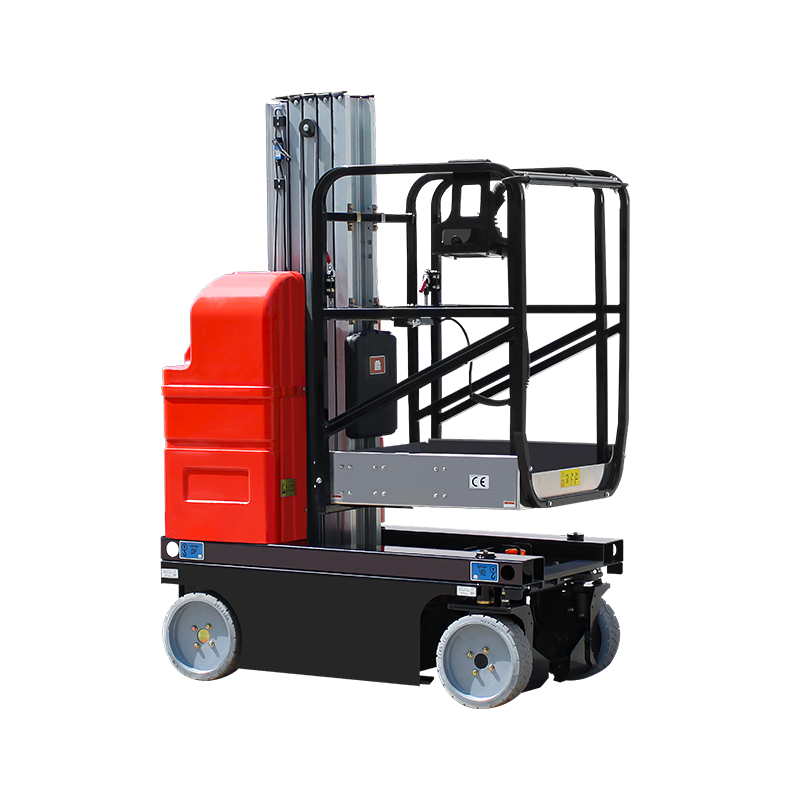
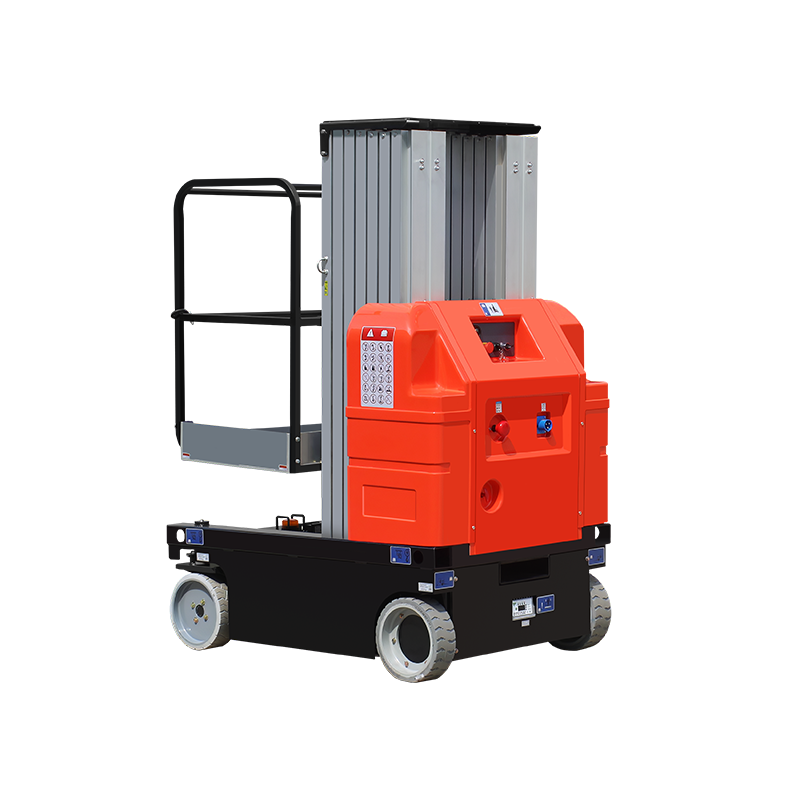
SELF PROPELLED VERTICAL LIFTS Custom

about REES lift

Reeslift Ltd.

Reeslift Ltd.

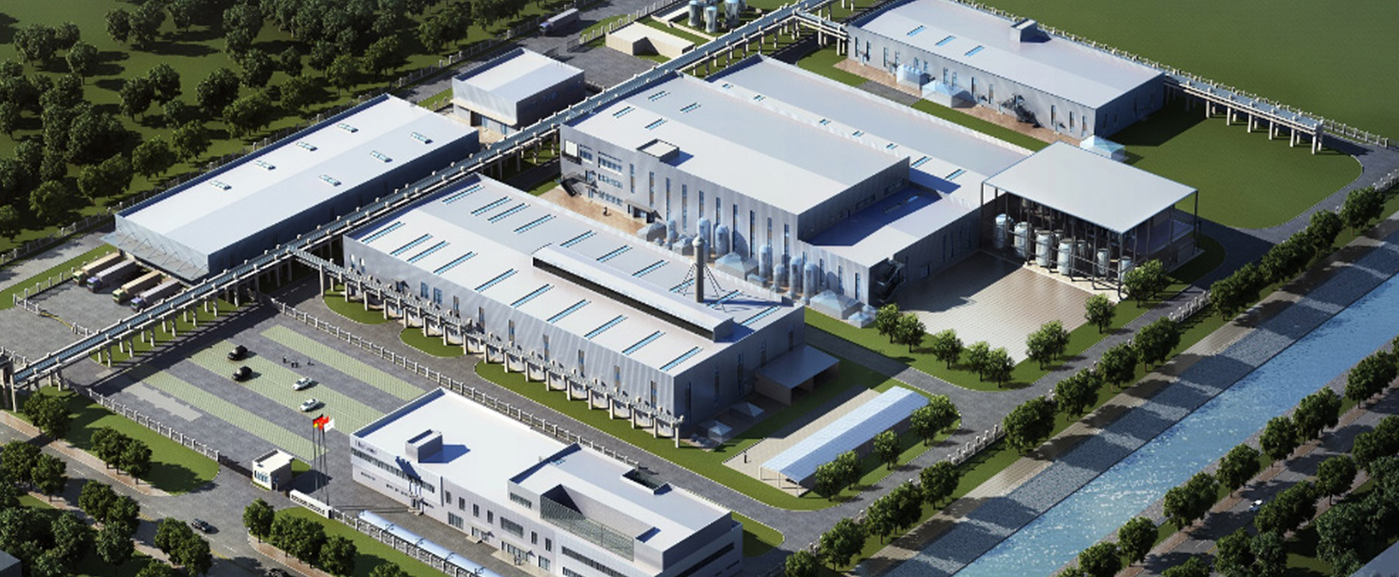
Safer Indoor AWP Expert- Reeslift Ltd. is a Chinese manufacturer of CE certified aerial working platforms. Our company is located in Feicheng Bianyuan Economic Area, Shandong, China, engaged in Vertical lifts and Scissor Lifts design, production and sales. From the very beginning, we have been dedicated to providing customers with safer indoor aerial working platforms.
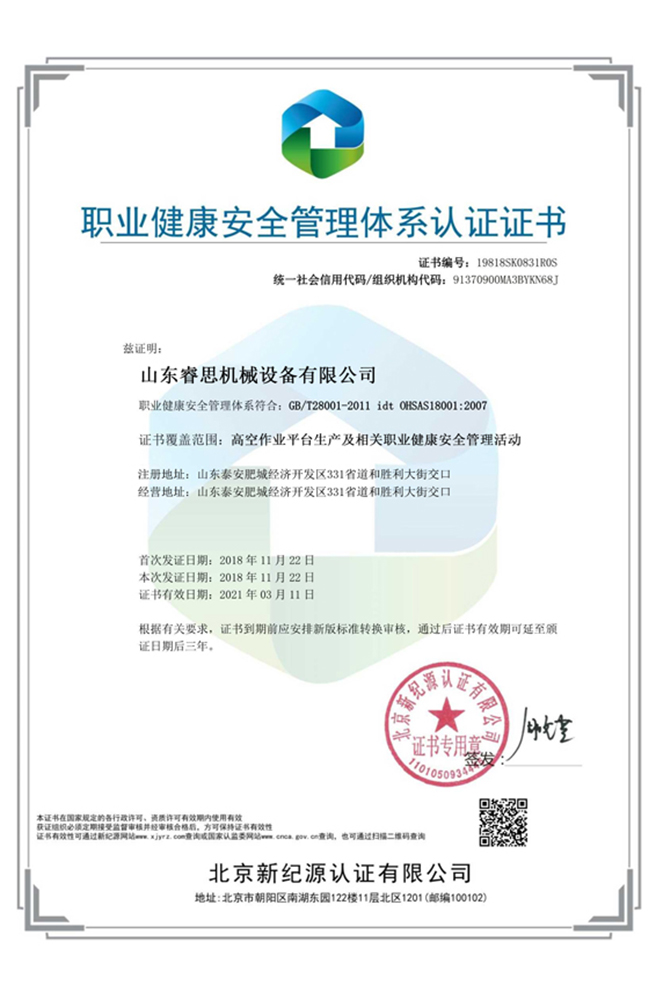
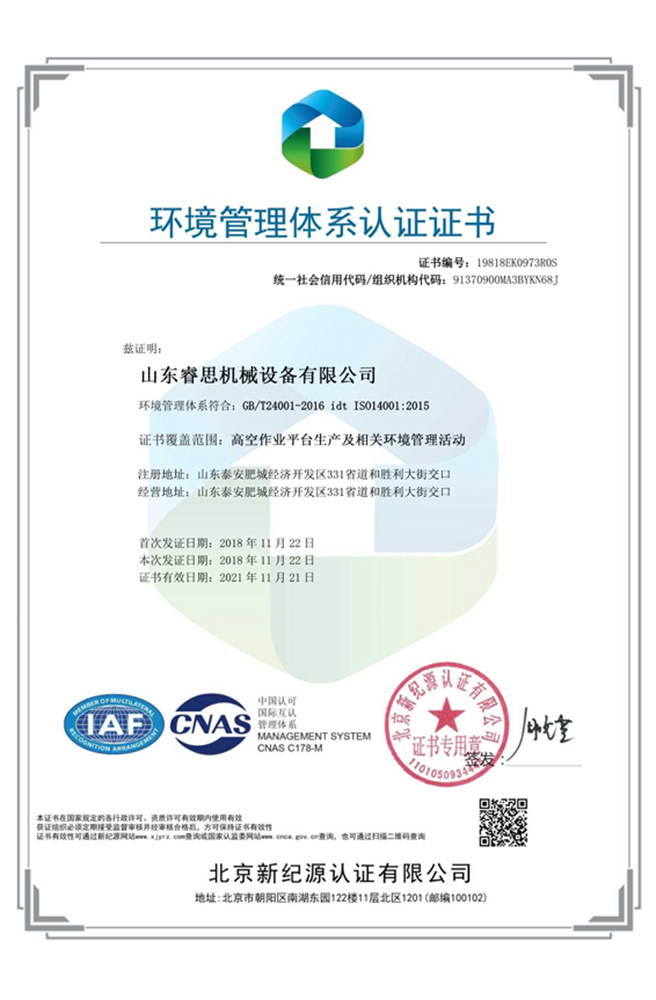
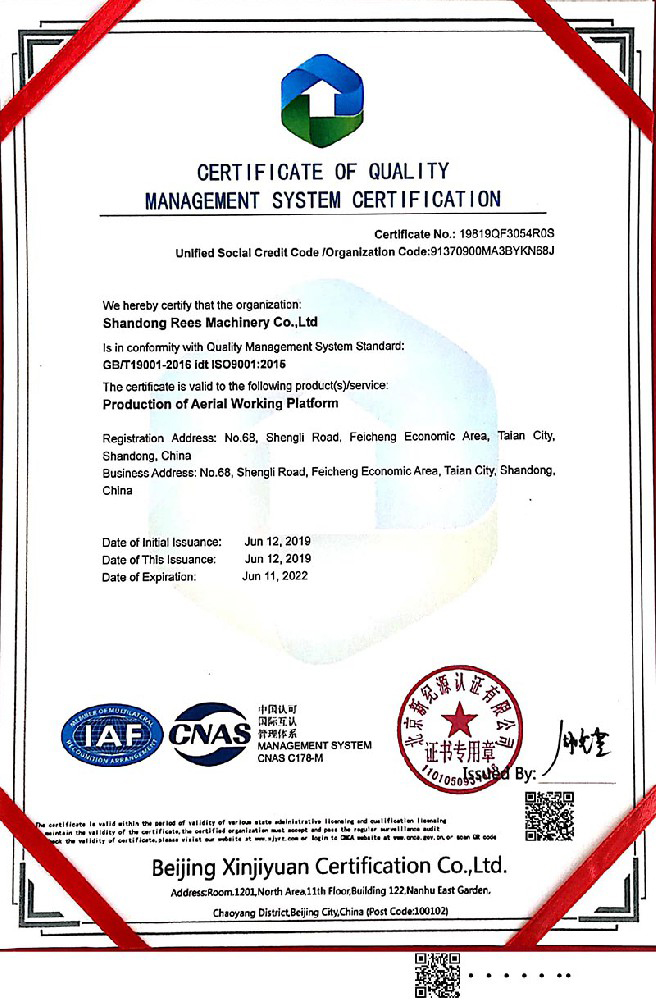
As a professional China SELF PROPELLED VERTICAL LIFTS manufacturers and SELF PROPELLED VERTICAL LIFTS factory, relying on years of production experience, REES continuously adopts new technologies, new processes and new materials, implements ISO 9001, ISO 14001 and ISO 18001 standards of international quality management system, international environmental management system, and international health and safety management system, and all its products have passed CE certification in Europe. The technical indicators have reached a high level in the same industry in China, and occupied the market with reasonable prices and good services. They are deeply trusted by the vast number of users. The products are exported to more than 100 countries and regions in Europe, Asia and the United States.

  • 0

    Enterprise establishment

  • 0+

    Product Varieties

  • 0+

    Product category

  • 0

    Production capacity

Honor

  • honor
  • honor
  • honor

News

Industry Knowledge Expansion

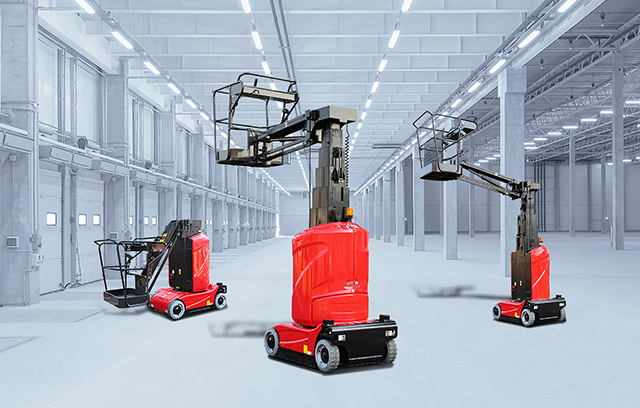
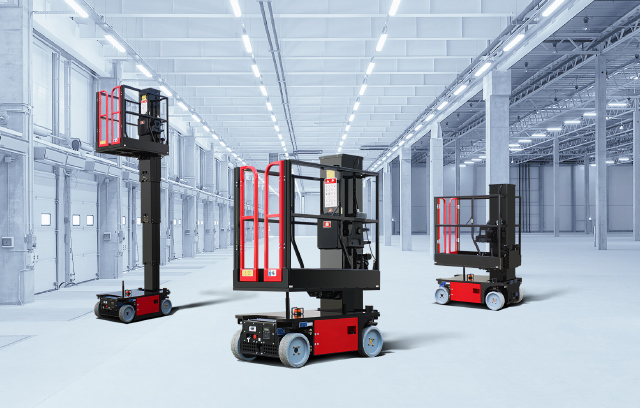
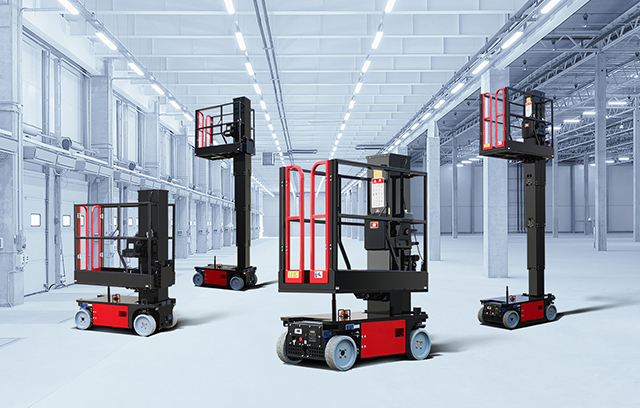
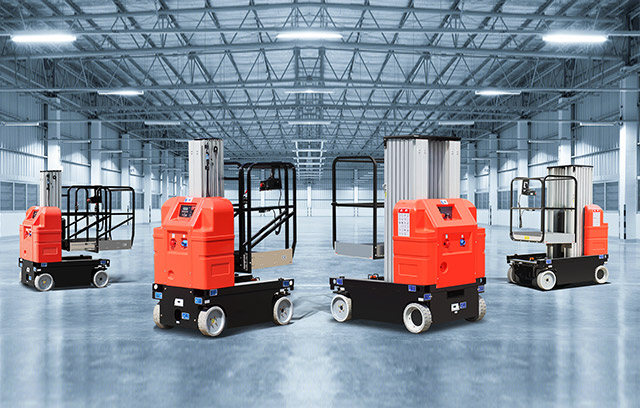
Self propelled vertical lifts have become one of the most essential pieces of aerial work platform equipment across industries worldwide. Combining independent mobility with precise vertical elevation, these machines allow a single operator to reach elevated work areas safely and efficiently — without the need for scaffolding, ladders, or a second crew member to operate the base. Whether used in warehouses, construction interiors, retail spaces, or industrial plants, self propelled vertical lifts deliver a level of flexibility and safety that traditional access methods simply cannot match.

At Reeslift Ltd., we have dedicated ourselves from the very beginning to manufacturing safer indoor aerial working platforms. As a CE-certified Chinese manufacturer based in the Feicheng Bianyuan Economic Area, Shandong, China, REES Industries designs and produces vertical lifts and scissor lifts that meet ISO 9001, ISO 14001, and ISO 18001 international management standards. Our products are exported to more than 100 countries and regions across Europe, Asia, and the Americas.

Key Types of Self Propelled Vertical Lifts

Self propelled vertical lifts are not a one-size-fits-all solution. Different job sites demand different configurations. Understanding the main types helps operators and procurement teams select the most suitable unit for their specific environment and task requirements.

Electric Self Propelled Vertical Lifts

The most widely used category, electric self propelled vertical lifts are powered by rechargeable battery packs. They produce zero direct emissions, making them ideal for enclosed or poorly ventilated environments such as warehouses, shopping malls, and indoor construction sites. At Reeslift Ltd., our electric vertical lifts are CE certified and designed specifically for safer indoor aerial work — a core philosophy we have upheld since our founding.

Diesel and Hybrid Self Propelled Vertical Lifts

Diesel-powered models deliver greater driving force and are suited for outdoor or rough-terrain applications. Hybrid variants combine electric and diesel power to balance performance with emission control. These are commonly deployed on construction sites, outdoor maintenance projects, and large industrial facilities where battery range alone may be insufficient.

Indoor vs. Outdoor Self Propelled Vertical Lifts

Feature Indoor Models Outdoor Models
Power Source Electric (battery) Diesel / Hybrid
Emission Level Zero emissions Higher emissions
Tire Type Non-marking solid tires Pneumatic / foam-filled tires
Ground Clearance Low High
Typical Max Height 6m – 14m 10m – 20m+
Surface Requirement Smooth, level floor Uneven / rough terrain

Narrow Aisle Self Propelled Vertical Lifts

Designed with a compact footprint, narrow aisle vertical lifts can maneuver through tight spaces — aisles as narrow as 0.8m in some configurations. They are particularly valuable in high-density storage facilities and retail stockrooms where conventional equipment cannot access. Reeslift Ltd. engineers its narrow-aisle vertical lift series with this exact constraint in mind, ensuring platform stability is never compromised despite the reduced base width.

Main Components and How They Work

Every self propelled vertical lift shares a set of core mechanical and electrical systems that work together to deliver safe, efficient elevation. Understanding these components helps operators maintain equipment properly and identify potential issues before they become safety hazards.

Drive and Propulsion System

The self-propulsion system is what differentiates these lifts from push-around or trailer-mounted alternatives. It typically consists of electric drive motors connected to the rear or all four wheels, variable speed controllers for smooth acceleration and deceleration, and a rear-wheel steering mechanism that enables a tight turning radius in confined spaces. At REES Industries, drive systems are engineered for low noise operation, which is critical in noise-sensitive indoor environments like hospitals, schools, and office buildings.

Lifting Platform Structure

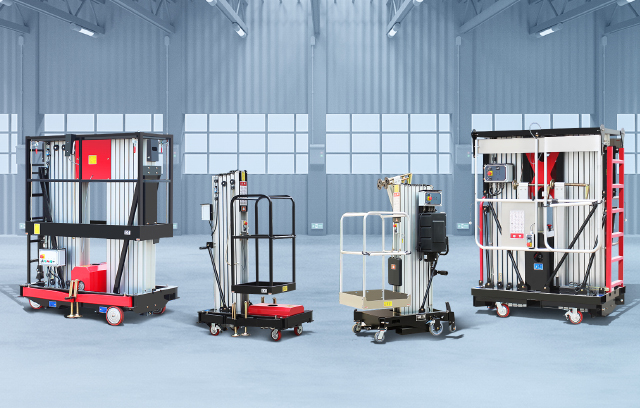
The vertical mast system is the backbone of any self propelled vertical lift. Most units use a single or multi-stage telescoping mast that extends vertically with minimal horizontal drift — keeping the operator directly below the work point at all times. This vertical precision is one of the defining advantages of mast-type self propelled vertical lifts over boom lifts.

Mast Type Stages Typical Height Range Stability
Single Mast 1 Up to 6m High
Double Mast 2 6m – 10m High
Multi-Stage Mast 3 – 4 10m – 14m+ Medium-High

Control System and Safety Devices

Modern self propelled vertical lifts incorporate dual control stations — one at ground level and one on the platform — giving operators full control regardless of position. Key safety components include tilt sensors that automatically halt operation on uneven surfaces, overload sensors that prevent lifting beyond rated capacity, emergency lowering valves that enable manual descent in the event of power failure, and anti-crush guardrails that protect the operator from overhead obstructions. Reeslift Ltd. integrates these safety systems as standard across its full product range, consistent with ISO 18001 occupational health and safety management certification.

Battery and Power Management

Electric self propelled vertical lifts rely on deep-cycle lead-acid or lithium-ion battery packs. Lithium-ion batteries offer faster charging, longer cycle life, and reduced weight — an increasingly preferred option in high-utilization environments.

Battery Type Charge Time Cycle Life Weight Cost
Lead-Acid 8 – 10 hours ~500 cycles Heavy Lower
Lithium-Ion 2 – 4 hours ~2,000 cycles Light Higher

Top Applications of Self Propelled Vertical Lifts

Self propelled vertical lifts are among the most versatile pieces of aerial work platform equipment available today. Their combination of independent mobility, vertical reach, and compact design makes them deployable across a wide range of industries and work environments.

Warehousing and Logistics

In modern distribution centers, self propelled vertical lifts are used daily for inventory retrieval, shelf inspection, lighting maintenance, and rack installation. Their ability to navigate warehouse aisles independently — without requiring a second operator to push or guide — significantly improves workflow efficiency and reduces labor costs over time.

Building and Construction

Construction teams use self propelled vertical lifts for interior finishing tasks such as ceiling installation, duct routing, electrical wiring, and plastering at height. Unlike scaffolding, these lifts can be repositioned in seconds, dramatically reducing downtime between tasks and allowing crews to maintain continuous progress across large floor areas.

Industrial Maintenance

Manufacturing plants rely on self propelled vertical lifts for equipment inspection, overhead conveyor maintenance, and machinery servicing. The precise vertical positioning capability of these lifts — as opposed to boom lifts — allows technicians to work directly above machinery without lateral overhang, reducing the risk of tool drops or positional inaccuracy.

Retail and Commercial Spaces

Retailers use self propelled vertical lifts for visual merchandising, signage installation, and HVAC servicing in large-format stores. The non-marking tires standard on Reeslift Ltd.'s indoor models ensure that polished or coated flooring is never damaged during operation — a detail that matters greatly to facility managers and store operators alike.

Key Safety Standards and Regulations

Operating self propelled vertical lifts safely requires compliance with internationally recognized standards. These regulations protect not just the operator on the platform, but also ground-level workers and bystanders in the vicinity.

OSHA Requirements

The U.S. Occupational Safety and Health Administration governs aerial work platform use under 29 CFR 1926.453 for construction environments and 29 CFR 1910.67 for general industry. Key requirements include that operators must be trained and authorized before use, equipment must be inspected before each shift, and guardrails must be in place and fully functional at all times during elevated operation.

ANSI/SAIA Standards

The American National Standards Institute and Scaffold and Access Industry Association publish ANSI A92 standards specifically for mobile elevating work platforms. These cover design, testing, safe use, and operator training for self propelled vertical lifts across all major platform categories.

CE Certification

In the European market, self propelled vertical lifts must carry CE marking to confirm compliance with the EU Machinery Directive. All products manufactured by Reeslift Ltd. (REES Industries) carry CE certification — a standard upheld across every model in the product lineup, supporting exports to more than 100 countries across Europe, Asia, and the Americas.

Common Safety Precautions

Situation Required Action
Uneven or sloped surface Do not operate; relocate to level ground
Overhead power lines nearby Maintain minimum safe clearance distance
Platform overloaded Remove excess load before elevating
Wind speed exceeds rated limit Suspend outdoor operations immediately
Battery low during elevation Use emergency lowering — do not jump

How to Choose the Right Self Propelled Vertical Lift

Selecting the correct self propelled vertical lift is a decision that directly affects both productivity and on-site safety. The wrong specification can result in insufficient reach, equipment damage, or serious operational risk. The following criteria provide a practical framework for making the right choice.

Working Height and Load Capacity

The first parameters to define are maximum working height and rated platform capacity. Always distinguish between platform height and working height — working height is typically platform height plus 1.8 meters for standard operator reach.

Application Type Recommended Max Height Typical Load Capacity
Light maintenance (retail / office) 6m – 8m 120kg – 200kg
Warehouse operations 8m – 12m 200kg – 300kg
Industrial / construction 12m – 16m 250kg – 400kg

Reeslift Ltd. offers self propelled vertical lifts across this full spectrum, with each model tested and certified to its rated capacity under ISO 9001 quality management protocols.

Ground Conditions and Aisle Width

Before deploying any self propelled vertical lift, site teams should verify the floor load-bearing capacity against the machine's gross operating weight, confirm that aisle widths accommodate the machine's footprint, and assess whether the surface condition — smooth concrete, painted epoxy, or uneven ground — is compatible with the specified tire type.

Buying vs. Renting Self Propelled Vertical Lifts

Factor Buy Rent
Usage Frequency Daily / ongoing Occasional / project-based
Long-term Cost Lower over time Higher over time
Maintenance Responsibility Owner Rental company
Customization Possible Limited
Capital Requirement High upfront Low upfront

For businesses with consistent, high-frequency aerial work needs, purchasing directly from a manufacturer like Reeslift Ltd. (REES Industries) typically delivers better long-term value — especially when backed by manufacturer warranty, spare parts availability, and dedicated after-sales technical support from a team with years of production experience in Feicheng, Shandong, China.

FAQ: Common Questions About Self Propelled Vertical Lifts

Do operators need a license or certification to use self propelled vertical lifts?

In most countries, a formal driver's license is not required, but operators must complete recognized aerial work platform training. OSHA in the United States and equivalent bodies in other jurisdictions mandate that operators be trained and authorized by their employer before use. Certification courses are widely offered by organizations such as IPAF — the International Powered Access Federation.

What is the maximum working height of self propelled vertical lifts?

Standard self propelled vertical lifts typically reach working heights between 4m and 16m. Compact indoor models — such as those in the Reeslift Ltd. lineup — commonly range from 6m to 12m working height, while heavy-duty outdoor models can exceed 16m. Always confirm both platform height and working height when comparing specifications, as manufacturers may list either figure.

How do self propelled vertical lifts compare to traditional scaffolding?

Criteria Self Propelled Vertical Lifts Traditional Scaffolding
Setup Time Minutes Hours to days
Repositioning Immediate (self-driven) Requires dismantling
Safety Enclosed platform with sensors Dependent on assembly quality
Cost (short-term) Higher equipment cost Lower material cost
Flexibility Very high Very low

For most indoor maintenance and construction finishing tasks, self propelled vertical lifts offer a decisive advantage in both speed and operational safety over traditional scaffolding systems.

What is the recommended maintenance schedule for self propelled vertical lifts?

Maintenance intervals vary by model and usage intensity, but a standard schedule includes a daily pre-shift inspection covering brakes, controls, battery status, and guardrail integrity; monthly checks of hydraulic fluid levels, mast lubrication, and tire condition; a full hydraulic and electrical system service every six months; and a comprehensive structural inspection with load testing performed annually. Reeslift Ltd. (REES Industries) provides detailed maintenance documentation with every unit and supports customers with responsive technical after-sales service — a commitment reinforced by ISO 9001, ISO 14001, and ISO 18001 certification across all manufacturing operations.

Are self propelled vertical lifts safe for use on sensitive flooring?

Yes — provided the correct model is selected. Reeslift Ltd.'s indoor self propelled vertical lifts are fitted with non-marking solid rubber tires that protect polished concrete, epoxy-coated, or tiled floors from scuffing or staining. Operators should always verify the machine's ground pressure specification against the floor's load-bearing rating before beginning work, particularly in retail or commercial environments with premium flooring finishes.